Destination Tanzania - The Brain of Africa

Mount Kilimanjaro

Serengeti National Park
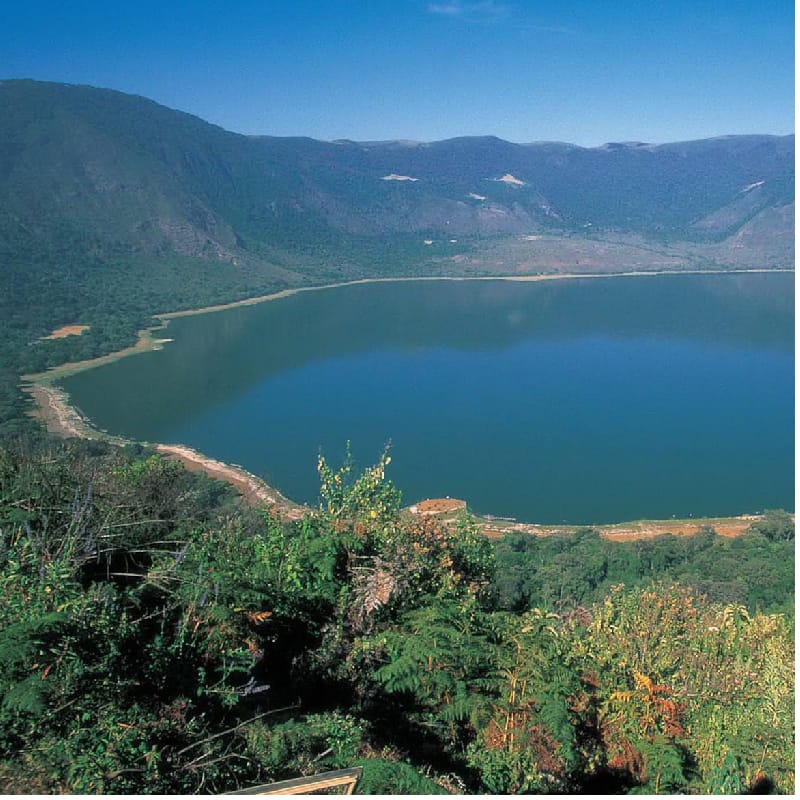
Ngorongoro Crater
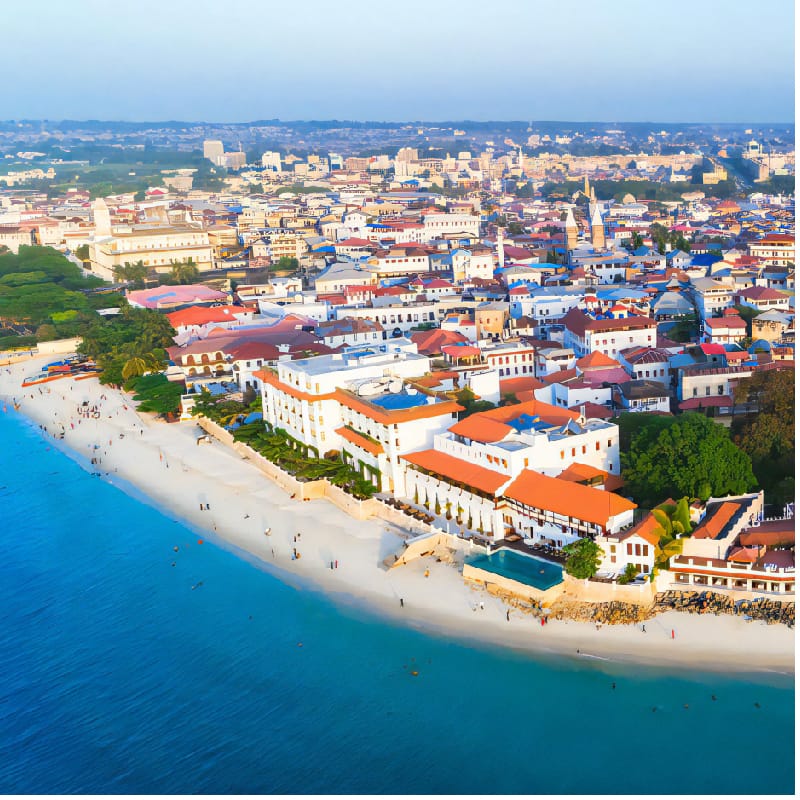
Zanzibar Archipelago
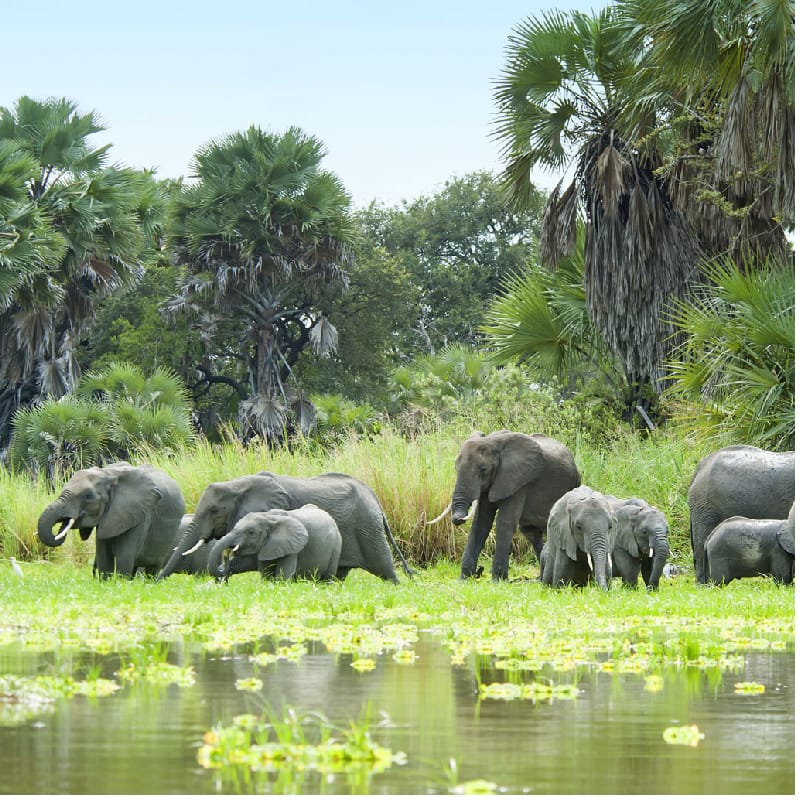
Selous Game Reserve
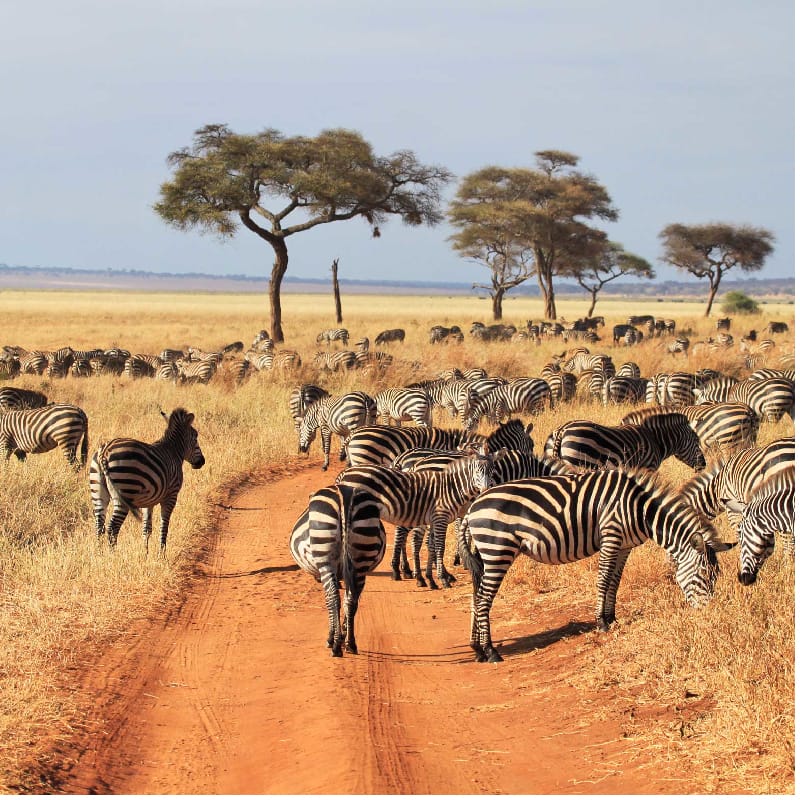
Tarangire National Park
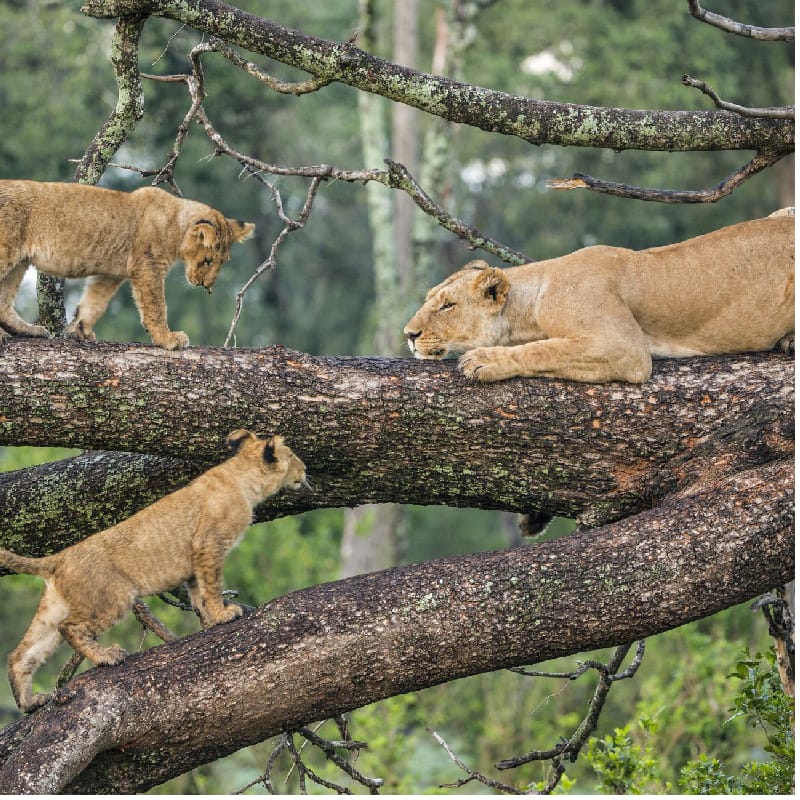
Lake Manyara National Park
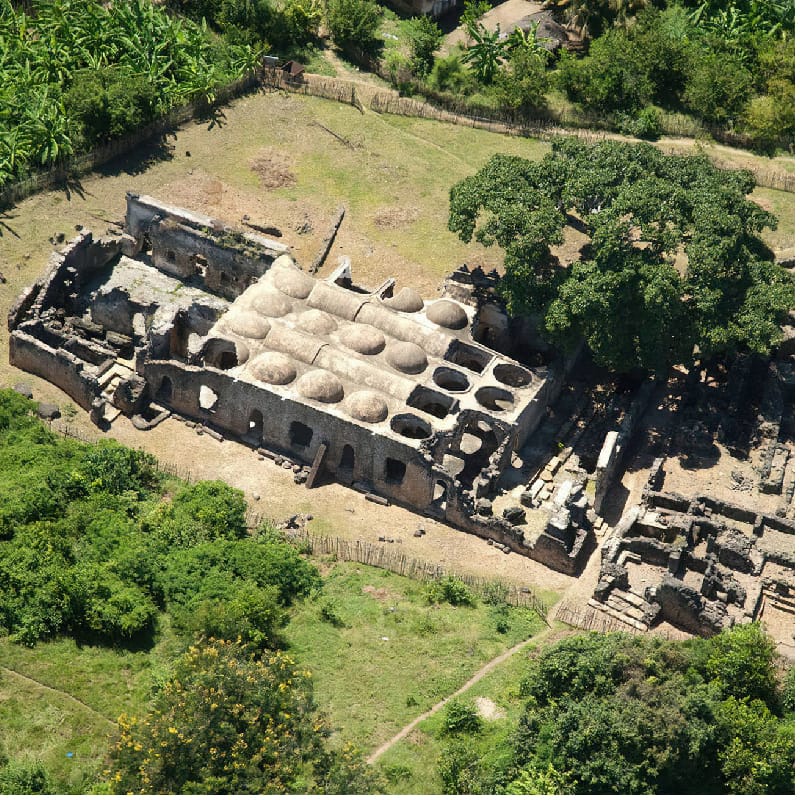
Ruins of Kilwa Kisiwani
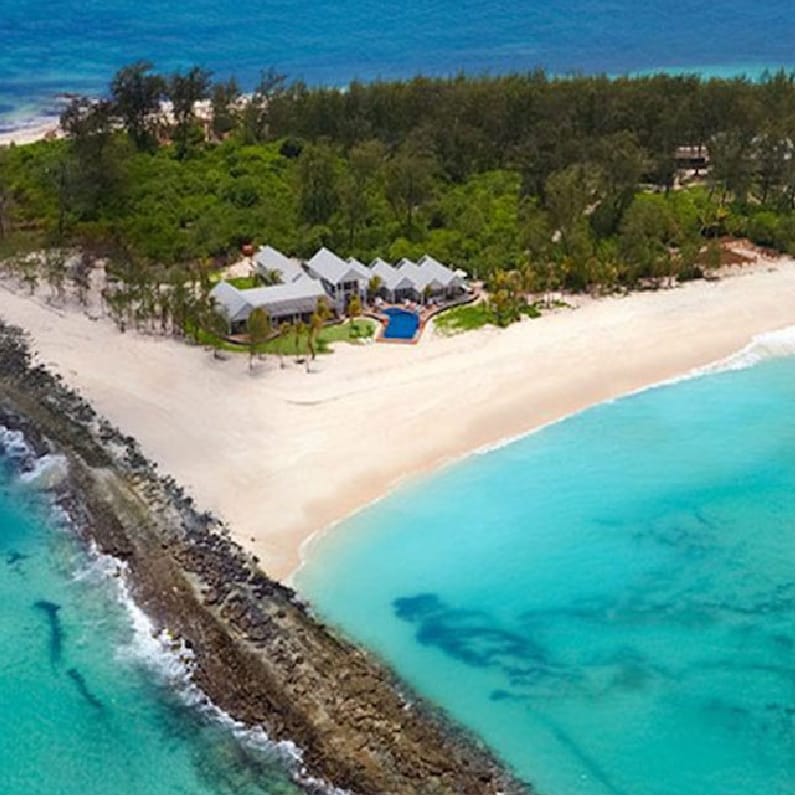
Mafia Island
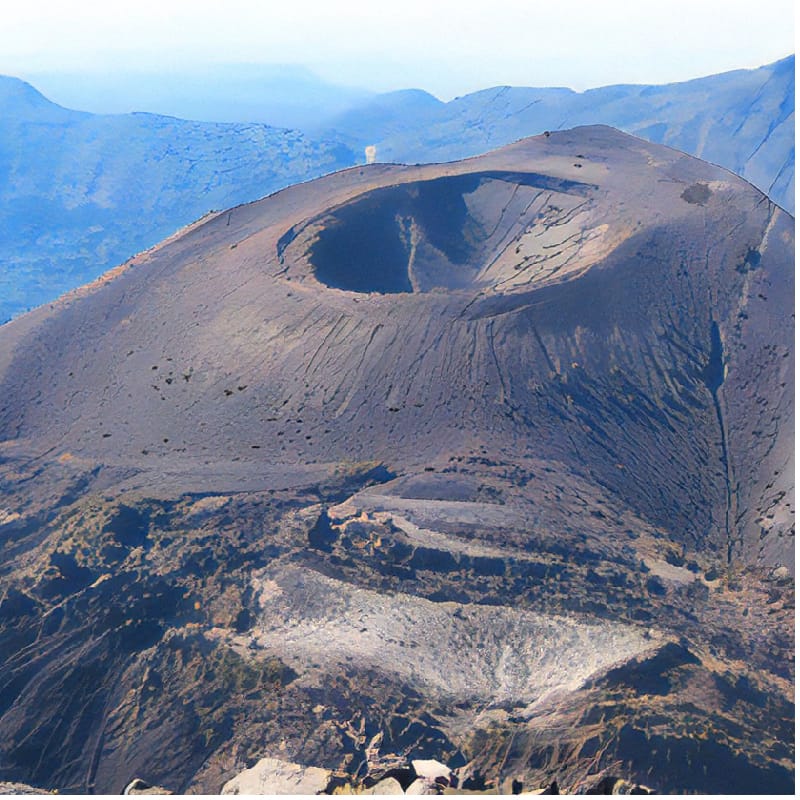
Mount Meru
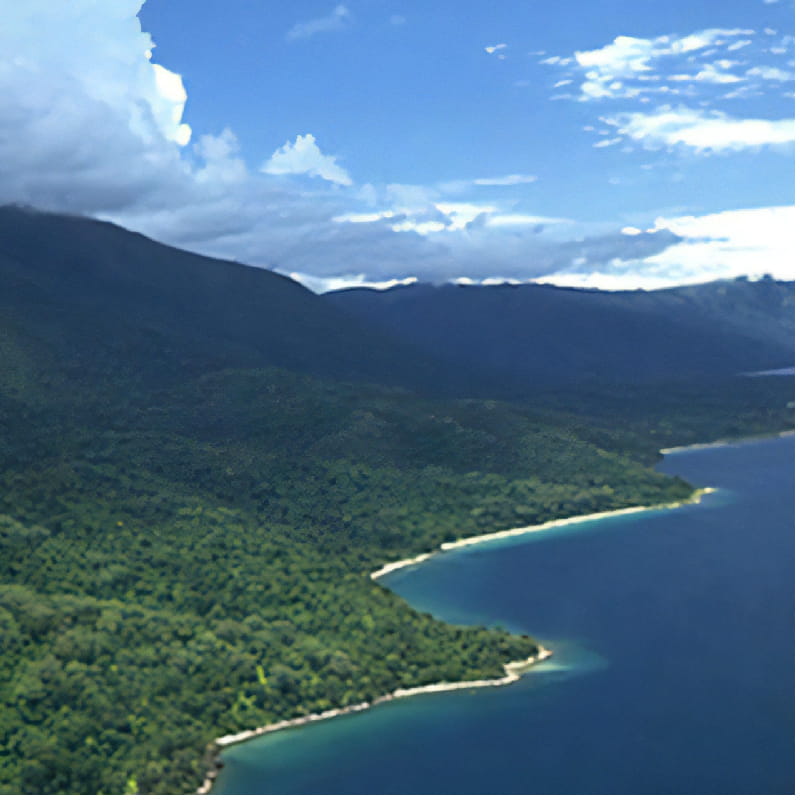
Mahale Mountains National Park

Lake Tanganyika
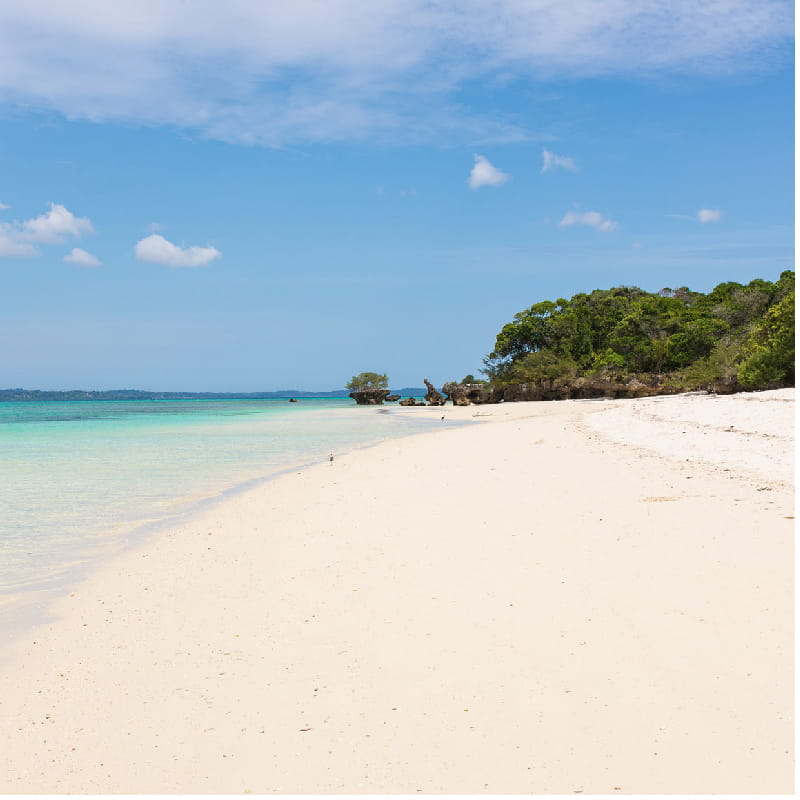
Pemba Island
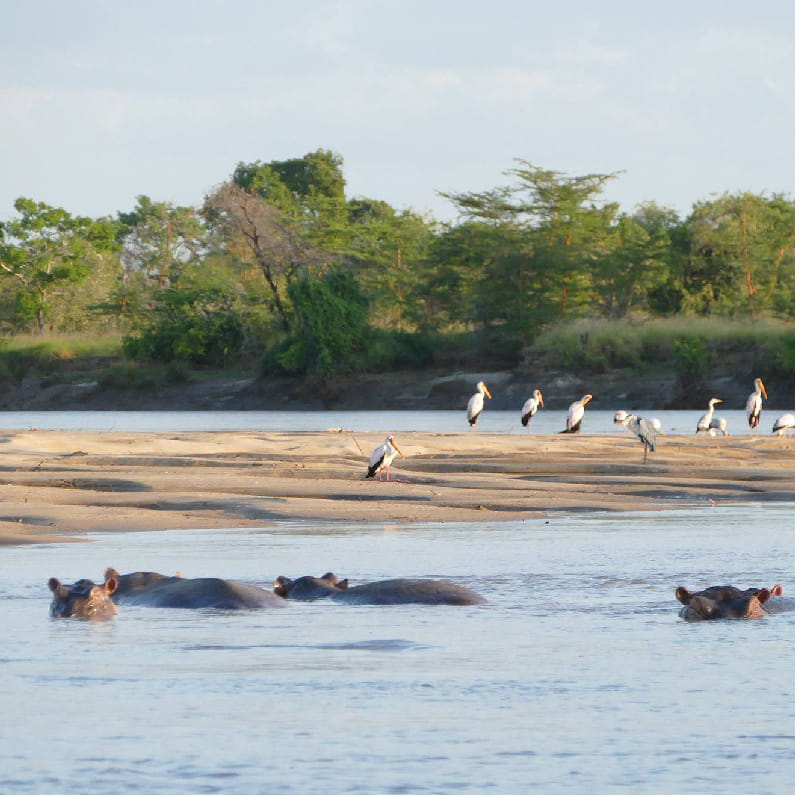
Saadani National Park
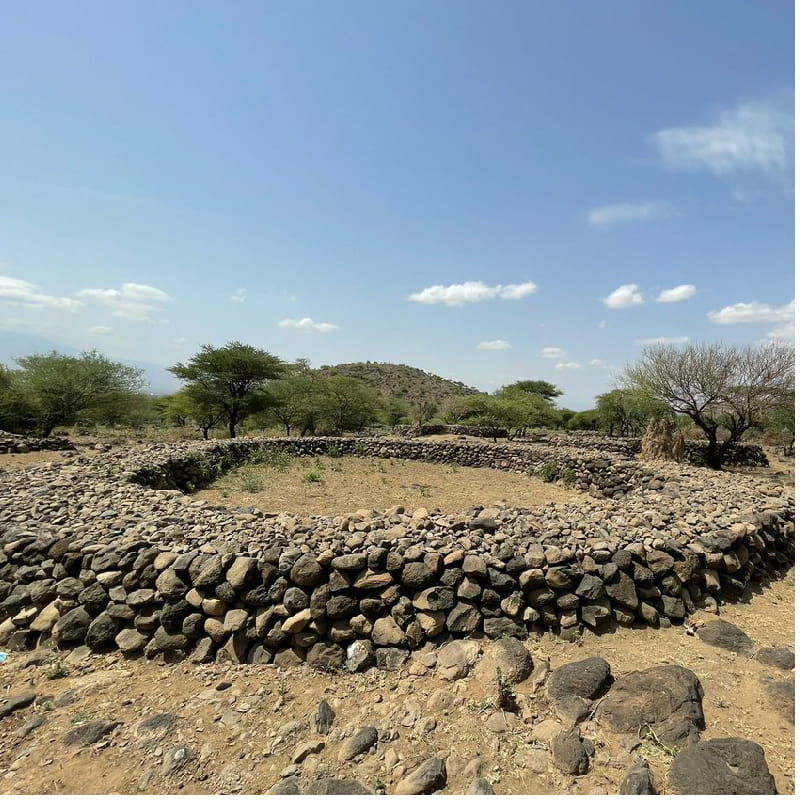
Engaruka: A Glimpse into Ancient African Ingenuity
Tanzania can be summed up in a single word: abundance. With its expansive Serengeti plains, the towering heights of Kilimanjaro, and the picturesque beaches of Zanzibar, the possibilities for adventure are endless. Tanzania is home to two renowned tourism destinations - Africa's highest mountain, Kilimanjaro, and wildlife-rich national parks such as the Serengeti - but has become a target for poachers.
Tanzania is an East African nation located just south of the Equator. It became a sovereign state in 1964 following the merger of the previously independent regions of Tanganyika and Zanzibar. The mainland region of Tanganyika constitutes over 99 percent of the total area of the united territories. Mafia Island is governed from the mainland, whereas Zanzibar and Pemba islands operate under their own governmental administration. Since 1974, Dodoma has served as the official capital of Tanzania, positioned centrally on the mainland. Dar es Salaam stands as the largest city and port in the nation.
Capital: Dodoma
Area: 947,303 sq km
Population: 61.7 million
Languages: Swahili, English, Arabic (only in Zanzibar)
Life expectancy: 64 years (men) 68 years (women)
Gross domestic product: 79.06 billion USD (2023)
Dialing code: +255
Tanzania mainland: The mainland of Tanzania is bordered to the north by Uganda, Lake Victoria, and Kenya; to the east by the Indian Ocean; to the south and southwest by Mozambique, Lake Nyasa, Malawi, and Zambia; and to the west by Lake Tanganyika, Burundi, and Rwanda.
Relief: From the narrow coastal strip of the mainland and the surrounding islands, the majority of mainland Tanzania is situated at elevations exceeding 600 feet (200 meters). Expansive plains and plateaus are juxtaposed with remarkable topographical features, including Kilimanjaro, the highest mountain in Africa at 19,340 feet (5,895 meters), and Lake Tanganyika, the second deepest lake in the world, with a depth of 4,710 feet (1,436 meters).
During the breeding season, approximately 1.5 to 2.5 million lesser flamingos (Phoeniconaias minor) gather in dense clusters in the shallow waters of Lake Natron, forming a significant breeding colony.
The East African Rift System traverses mainland Tanzania in two north-south branches, creating numerous narrow, deep depressions often filled with lakes. The Western Rift Valley, located along the western border, is characterized by Lakes Tanganyika and Rukwa, while the Eastern (or Great) Rift Valley stretches through central Tanzania, starting from the Kenyan border near Lakes Eyasi, Manyara, and Natron, and extending south to Lake Nyasa at the Mozambique border. The central plateau, which constitutes over a third of the country, lies between these two rift branches.
The highlands associated with the Western Rift Valley include the Ufipa Plateau, the Mbeya Range, and Rungwe Mountain in the southwestern region. From this area, the southern highlands extend northeastward along the Great Rift, reaching the Ukuguru and Nguru mountains northwest of Morogoro. The Usambara and Pare mountain ranges, which originate from the northern coast, run in a southeast-to-northwest direction, culminating in the snow-capped peak of Kilimanjaro and continuing to Mount Meru, which stands at 14,978 feet (4,565 meters).
Soils: The diversity of soils found in mainland Tanzania is greater than that of any other African nation. The highland regions are characterized by reddish-brown soils of volcanic origin, which are the most fertile. While many river basins also possess fertile soils, they are prone to flooding and necessitate effective drainage management. In contrast, the red and yellow tropical loams found in the interior plateaus exhibit moderate to poor fertility. In these areas, elevated temperatures and limited rainfall lead to rapid oxidation rates, resulting in low humus levels and a clay-like texture, rather than the preferred crumbly structure typical of temperate soils. Additionally, intense but brief tropical rainstorms compact the soil, creating drainage challenges and depleting nutrient levels.
Climate: Mainland Tanzania can be categorized into four main climatic and topographic regions: the hot and humid coastal lowlands along the Indian Ocean, the hot and arid expanse of the central plateau, the elevated inland mountain and lake area in the north, which includes Mount Kilimanjaro, and the highlands located in the northeast and southwest, where climates vary from tropical to temperate. The warm equatorial climate of Tanzania is influenced by changes in elevation. Throughout the year, there is a high level of solar radiation, resulting in minimal seasonal temperature variation, with average monthly differences being less than 9 °F (5 °C) at most locations. Ground frost is uncommon below elevations of 8,200 feet (2,500 meters). Rainfall in Tanzania is highly seasonal and is significantly affected by the annual movement of the inter-tropical convergence zone. Approximately half of mainland Tanzania receives less than (750 mm) of rainfall each year, which is considered the minimum necessary for most tropical crop cultivation. The central plateau is the driest region, averaging less than (510 mm) of annual precipitation and experiencing a single rainy season from December to May. In contrast, the coastal areas receive heavier rainfall, with two peak periods occurring in October-November and April-May. The offshore islands and many highland regions experience substantial annual precipitation, exceeding 60 inches (1,520 mm).
Plant and Animal Life: Forests thrive in highland regions characterized by significant rainfall and the absence of a distinct dry season. The western and southern plateaus predominantly feature miombo woodlands, which are characterized by an open canopy of trees, including species such as Brachystegia, Isoberlinia, Acacia, and Combretum. In areas with lower rainfall, bushland and thickets are prevalent. Floodplain regions exhibit wooded grasslands with a canopy cover of less than fifty percent, a result of poor drainage and agricultural burning practices for grazing livestock. Grasslands also emerge in locations with inadequate drainage. A notable example is the Serengeti Plain, where its grasslands are attributed to a calcrete layer, a calcium-rich hardpan formed near the surface by evaporated rainwater. Swamps are present in regions subject to continuous flooding. Desert and semi-desert environments vary from alpine types at higher altitudes to saline deserts in poorly drained areas and arid deserts in regions with extremely low rainfall.
Wildlife and plant life: Due to historically low human population density, mainland Tanzania boasts an exceptionally diverse range of wildlife. Large herds of ungulates, including wildebeests, zebras, giraffes, buffalo, gazelles, elands, dik-diks, and kudu, inhabit many of the country’s numerous game parks. Predatory species such as hyenas, wild dogs, and big cats—including lions, leopards, and cheetahs—are also present. Crocodiles and hippopotamuses are frequently seen along riverbanks and lakeshores. The government has implemented specific measures to safeguard rhinoceroses and elephants, which have been targeted by poachers. Small groups of chimpanzees reside in Gombe National Park near Lake Tanganyika. Approximately 1,500 bird species have been documented, alongside various species of snakes and lizards. Overall, around one-fourth of Tanzania’s land area has been designated to create an extensive conservation network.
Ethnic Groups
Reputable surveys indicate that Tanzania's population comprises over 120 distinct indigenous African ethnic groups, which have largely formed into larger collectives over time. The processes of rural-to-urban migration, modernization, and political changes have contributed to the gradual decline of some of the smaller ethnic groups. Evidence suggests that San-type hunting bands inhabited the region as early as 5000 BCE, with the Sandawe hunters of northern mainland Tanzania believed to be their descendants. By 1000 BCE, the migration of Cushitic peoples from Ethiopia introduced agricultural and pastoral practices to the area. The Iraqw, Mbugu, Gorowa, and Burungi groups trace their origins to these Cushitic migrations. Around 500 CE, Bantu agriculturalists, who utilized iron tools and migrated from the west and south, began to displace or assimilate the San hunters and gatherers. Concurrently, Nilotic pastoralists migrated into the region from southern Sudan. Reputable studies reveal that the population of Tanzania consists of more than 120 unique indigenous African ethnic groups, which have largely consolidated into larger communities over time. Factors such as rural-to-urban migration, modernization, and political transformations have led to a gradual reduction in the number of smaller ethnic groups. Historical records suggest that some hunting groups inhabited the region as early as 5000 BCE, with the Sandawe hunters in northern mainland Tanzania regarded as their descendants. By 1000 BCE, the influx of Cushitic peoples from Ethiopia introduced agricultural and pastoral practices to the area. The Iraqw, Mbugu, Gorowa, and Burungi communities can trace their ancestry to these Cushitic migrations. Around 500 CE, Bantu agriculturalists, who utilized iron tools and migrated from the west and south, began to either displace or assimilate the San hunters and gatherers. Concurrently, Nilotic pastoralists entered the region from southern Sudan.Asian and European minorities also exist within the population. During the colonial era, there was a push for Asian immigration, leading to a significant presence of Asians in the up-country produce trade. Predominantly originating from Gujarat, India, these groups include the Ismāʿīlīs, Bohras, Sikhs, Punjabis, and Goans. However, since gaining independence, the Asian demographic has gradually diminished due to emigration. The European community, which was never substantial as Tanganyika was not a settler colony, primarily consisted of English, German, and Greek individuals. In the years following independence, an influx of various European, North American, and Japanese expatriates associated with foreign aid initiatives temporarily settled in Tanzania.
In contrast to many African nations, Tanzania does not have a single ethnic group that holds political or cultural dominance. However, those groups that experienced the influence of Christian missionaries and Western education during the colonial period, particularly the Chaga and Haya, are more prominently represented in government and the cash economy.
Languages
Tanzania recognizes two official languages: Swahili (kiSwahili) and English. Swahili, which serves as the national language, is a blend of various Bantu dialects and Arabic, having developed along the East African coast and on the island of Zanzibar. It functions as the country's lingua franca, with nearly all Tanzanians being proficient in it. Since gaining independence, the government and various national institutions have actively encouraged the use of Swahili through literature, local theater, and poetry. Furthermore, Swahili is the primary language of instruction during the first seven years of primary education. In contrast, English is utilized as the medium of instruction in higher education and is commonly employed in government offices. In addition to Swahili, many Tanzanians of African descent also communicate in the traditional languages of their respective ethnic groups. Among the Asian minority communities in Tanzania, the predominant languages include Gujarati, Urdu, Hindi, and Punjabi.Religion
Approximately one-third of the population identifies as Muslim, predominantly belonging to the Sunni branch. Among the Shiʿi community in Tanzania, there exists an Ismāʿīlī group that follows the spiritual guidance of the Aga Khan. Nearly two-thirds of the Tanzanian populace practices Christianity, which encompasses various denominations such as Roman Catholicism, Lutheranism, Methodism, and Baptism. The remaining individuals are generally regarded as followers of traditional beliefs. However, the distinctions between these groups are often less defined than official statistics indicate, as many rural Tanzanians incorporate aspects of their indigenous religious practices into their beliefs.Demographic Trends
Tanzania's population growth rate is slower than the global average and is also lower than that of numerous sub-Saharan African nations. Over 40% of the population is comprised of individuals under the age of 15. The life expectancy in Tanzania is approximately 50 years, which is higher than the average for the region. Since the early 1960s, the country has experienced a steady reduction in infant mortality rates, and by the early 21st century, these rates fell below the average for sub-Saharan Africa.
Ethnic Groups
The islands are home to various African ethnic groups. The indigenous Bantu populations include the Pemba on Pemba Island and the Hadimu and Tumbatu on Zanzibar. These groups have integrated settlers from Persia who arrived in the 10th century. Many of these communities, along with some descendants of enslaved individuals, identify as Shirazi. Additionally, there are small communities of Comorians and Somalis. Early Arab settlements were established, leading to intermarriage with the local populace. The 18th and 19th centuries saw the arrival of Omani Arabs, who formed an elite class, while Omani immigrants in the early 20th century were generally less wealthy. The Asian population is a small minority.Languages
Swahili serves as the primary language spoken in Zanzibar and Pemba, with Kiunguja being the classical dialect. Arabic holds significant importance due to the longstanding Islamic tradition, historical Arab influence, and the presence of a substantial Arabic-speaking minority. Among the Asian communities, the main languages include Gujarati, Kutchi, and Hindustani. English is widely spoken, having been taught in schools.