Destination Kenya - Land of Endless Discovery
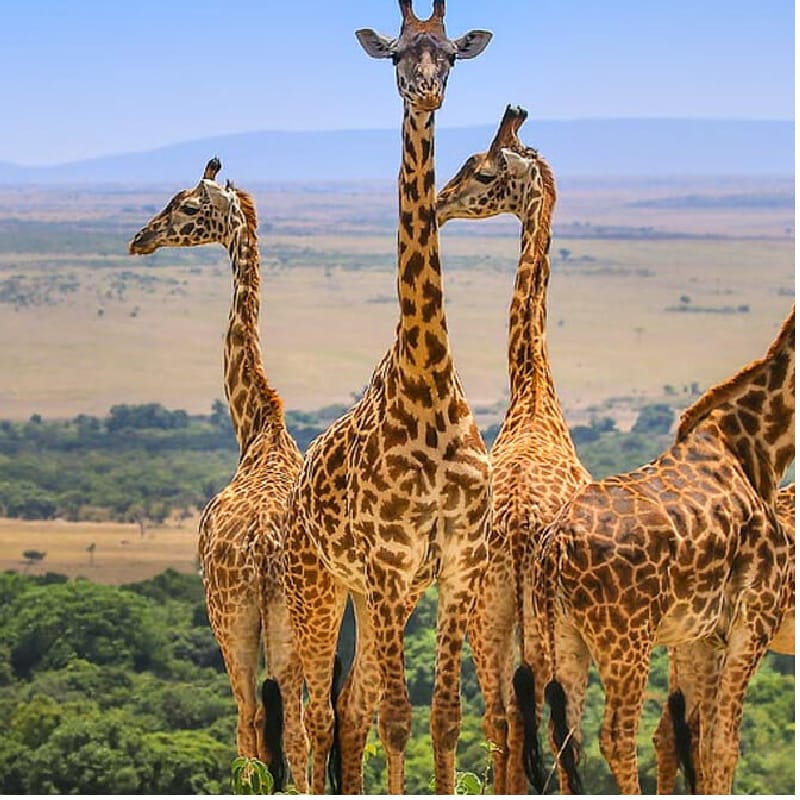
Masai Mara National Reserve
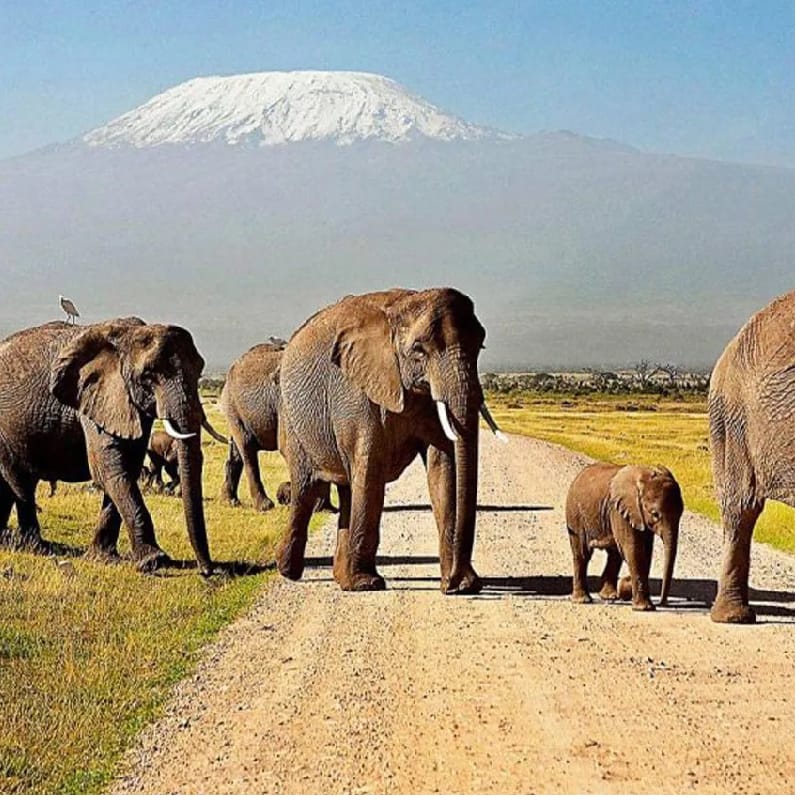
Amboseli National Park
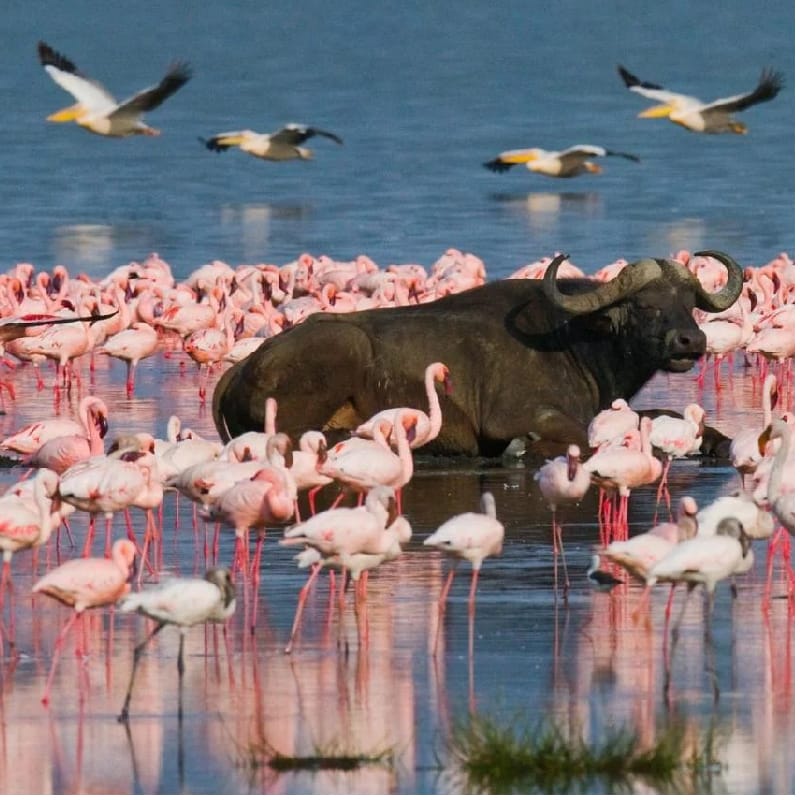
Lake Nakuru National Park
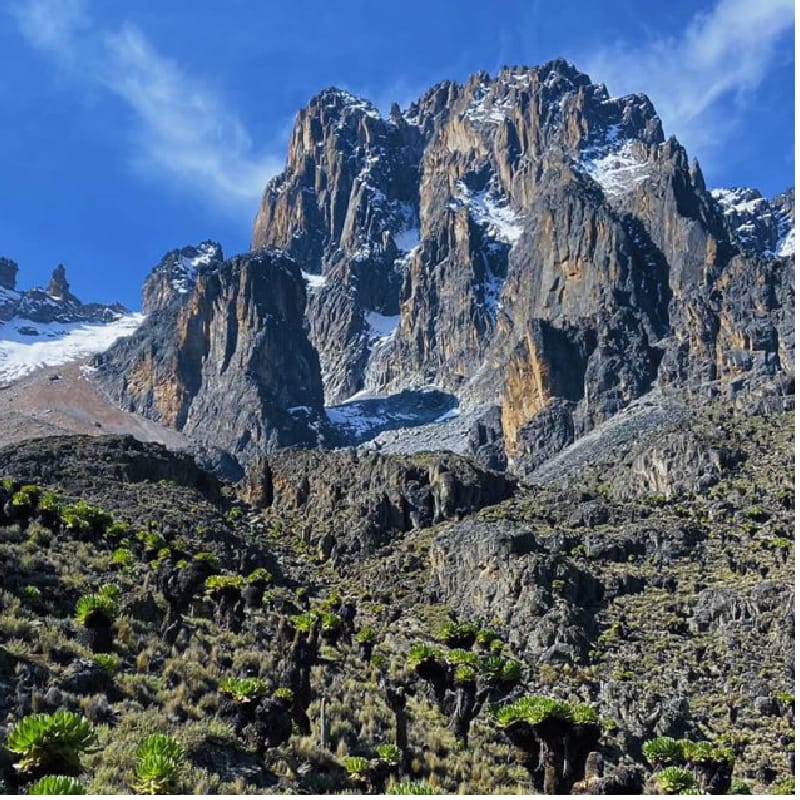
Mount Kenya
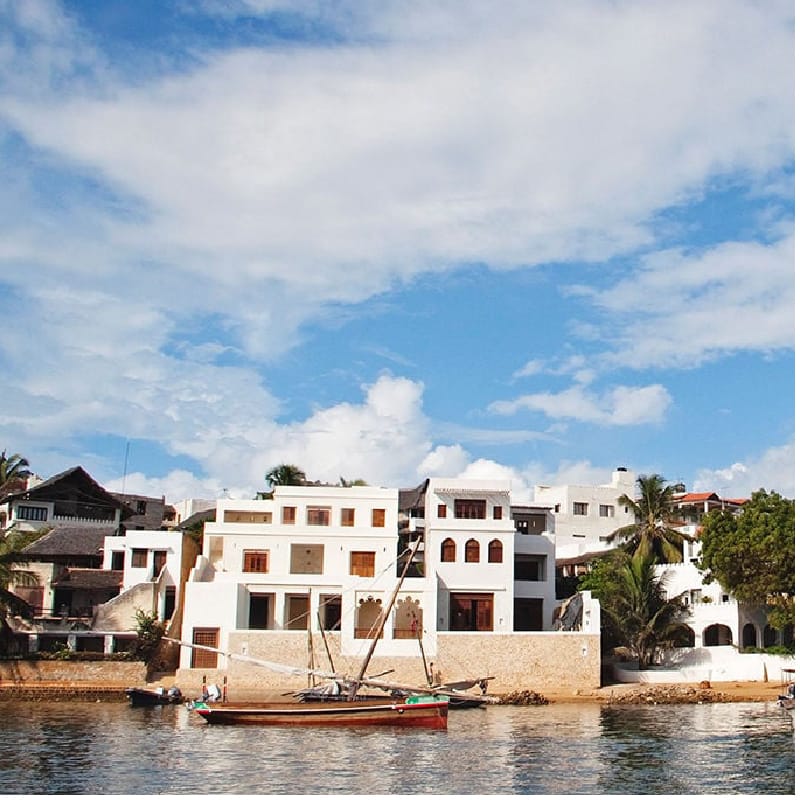
Lamu Old Town
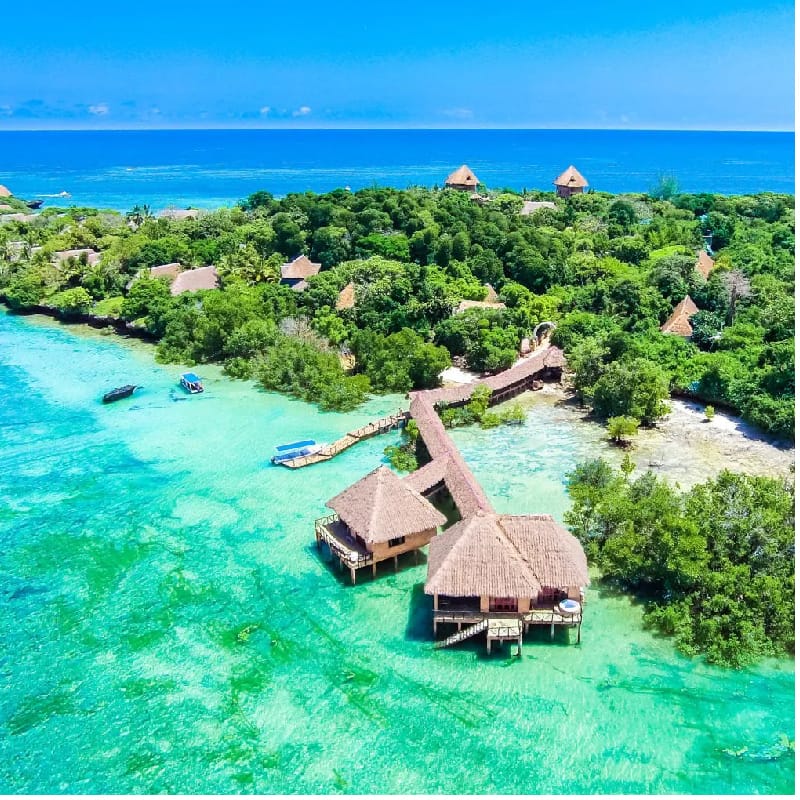
Diani Beach

Hell's Gate National Park
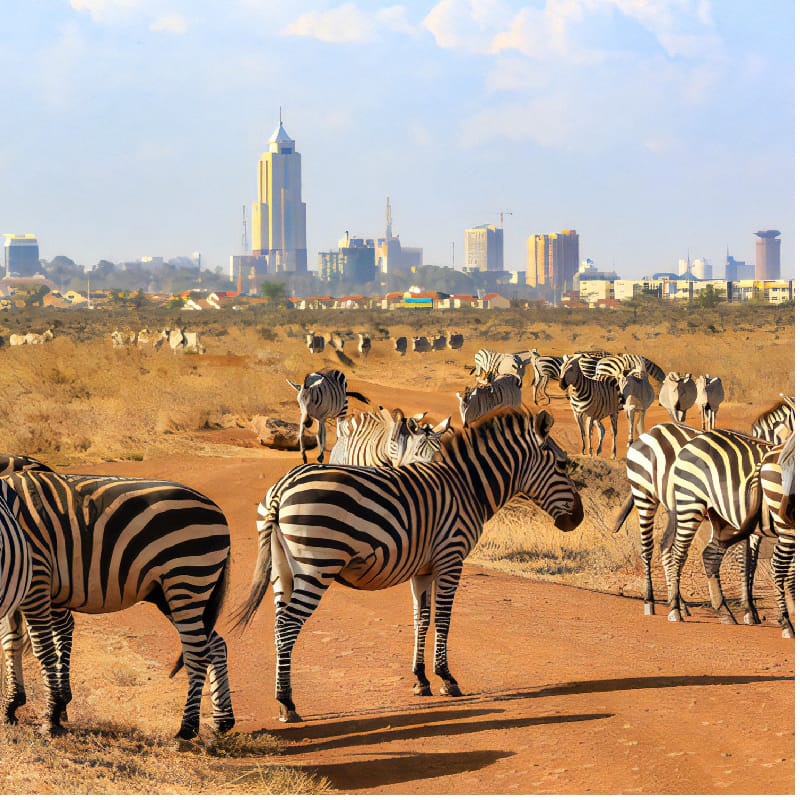
Nairobi National Park
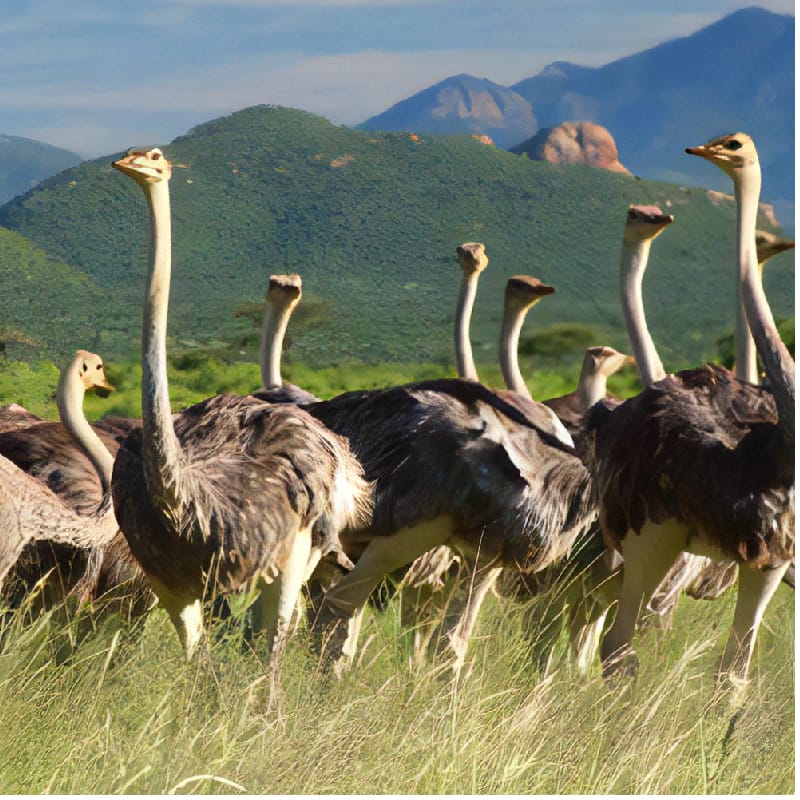
Samburu National Reserve
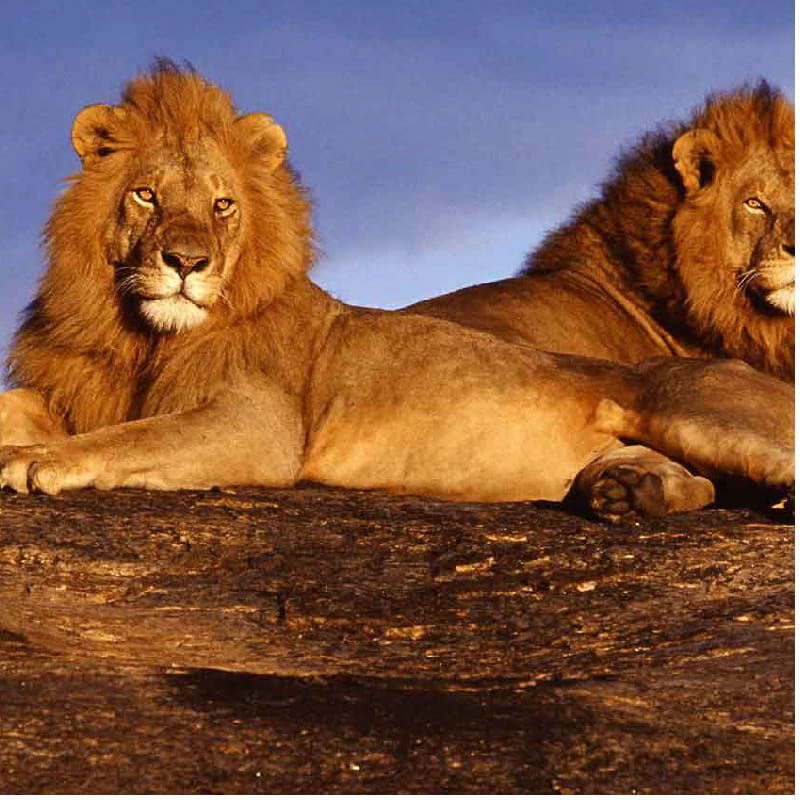
Tsavo National Park

Lake Naivasha

Malindi Marine National Park
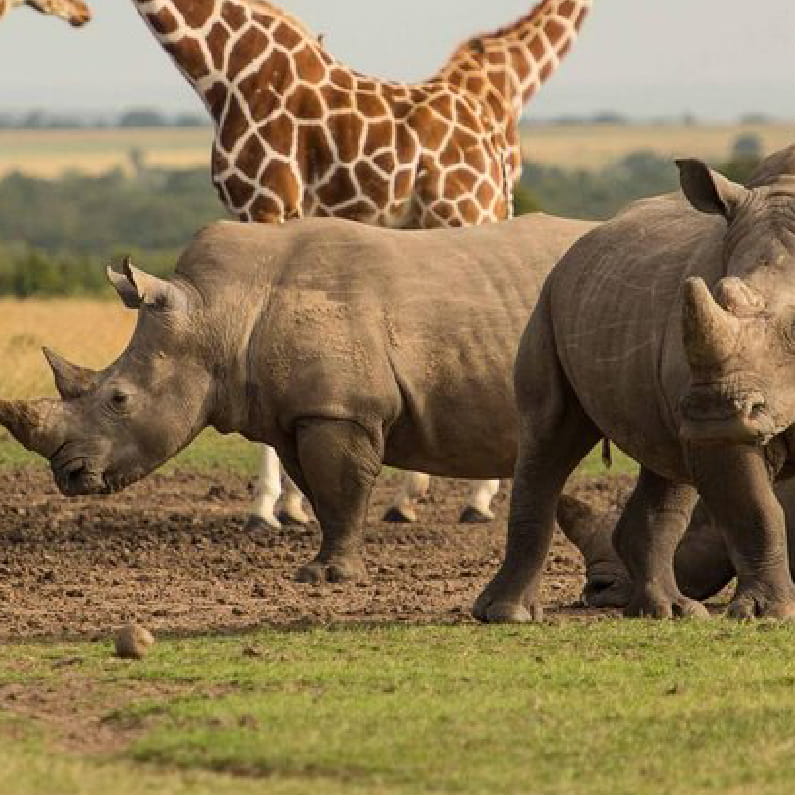
Ol Pejeta Conservancy

Great Rift Valley

Aberdare National Park
Kenya is recognized as one of the top safari destinations in East Africa. Its extraordinary wildlife, diverse terrains, and beautiful tented camps and lodges collectively create the ideal safari experience you imagine.
Kenya boasts some of the most unique and fascinating wildlife species globally. As a result, tourism has become a significant contributor to the nation's foreign exchange earnings, primarily attracting visitors from European Union countries. The tourism sector is centered on a network of national parks, game reserves, and sanctuaries, offering a diverse array of wildlife and cultural experiences. However, the influx of tourists began to fluctuate annually in the early 1990s due to a period of political instability and incidents involving tourists, with further declines occurring in the early 2000s, partly due to concerns over terrorism.
Kenya, located in East Africa, is famous for its stunning landscapes and vast wildlife reserves. Historically, its coastline along the Indian Ocean has been crucial as a port for goods brought by Arabian and Asian traders for centuries. This coastline boasts some of Africa's most picturesque beaches and is home to predominantly Muslim Swahili cities, such as Mombasa, a historic center that has significantly shaped the nation’s musical and culinary heritage. Moving inland, the densely populated highlands are known for their tea plantations, which served as an important economic asset during the British colonial era, as well as for their rich wildlife, including lions, elephants, cheetahs, rhinoceroses, and hippopotamuses. The western part of Kenya, marked by lakes and rivers, is richly forested, while a small northern region features desert and semi-desert terrains.
The country's abundant wildlife and breathtaking landscapes draw numerous visitors from Europe and North America, making tourism a crucial component of Kenya's economy.
Kenya, located in East Africa, boasts a coastline along the Indian Ocean. The country features diverse landscapes, including savannahs, lakes, the striking Great Rift Valley, and mountainous highlands. It is renowned for its rich wildlife, including lions, elephants, and rhinoceroses. From the capital city, Nairobi, safari tours explore the Maasai Mara Reserve, famous for its yearly wildebeest migrations, as well as Amboseli National Park, which provides stunning views of Mount Kilimanjaro, standing at 5,895 meters in Tanzania.
Capital: Nairobi
Currency: Kenyan Shilling
Official languages: Swahili, English
Population: 55.34 million (2023) World Bank
Gross domestic product: 108 billion USD (2023) World Bank
Dialing code: +254
The capital city of Kenya is Nairobi, a vast urban center that exemplifies the contrasts often found in African cities. Here, contemporary skyscrapers tower over extensive informal settlements, many of which shelter refugees escaping civil conflicts from surrounding nations. The older districts, some thriving, are typically ethnically diverse and well-equipped with essential services and amenities. In contrast, the makeshift tents and shanties that encircle the city are often organized along tribal and local lines, as entire rural communities have relocated to the city in search of better opportunities.
Kenya's geographical characteristics are defined by its position, which is divided horizontally by the Equator and vertically by the 38° E longitude line. The country shares its northern borders with South Sudan and Ethiopia, while to the east, it is flanked by Somalia and the Indian Ocean. To the south, Kenya is bordered by Tanzania, and to the west, it is adjacent to Lake Victoria and Uganda.
The 38th meridian bisects Kenya into two distinct halves, each exhibiting remarkable differences. The eastern section gently descends towards the coral-fringed coastline, whereas the western segment ascends more steeply through a series of hills and plateaus, leading to the Eastern Rift Valley, referred to as the Central Rift in Kenya. To the west of the Rift lies a plateau that slopes downward, with its lowest point being Lake Victoria. Within this geographical framework, Kenya is categorized into several regions: the Lake Victoria basin, the Rift Valley along with its surrounding highlands, the eastern plateau forelands, the semiarid and arid regions in the north and south, and the coastal area.
The Lake Victoria basin is situated on a plateau that ascends eastward from the lakeshore towards the Rift highlands. The lower section, which constitutes the actual lake basin, is a plateau region positioned between 3,000 and 4,000 feet (900 and 1,200 meters) above sea level. This undulating grassland plateau is nearly bisected by the Kano Plain, into which an extension of the lake known as Winam Gulf (or Kavirondo Gulf) stretches eastward for 50 miles (80 kilometers). The terrain of the Kano Plain transitions into highlands to the north and south, featuring several extinct volcanoes, including Mount Elgon, which reaches an elevation of 14,178 feet (4,321 meters) at the northern border with Uganda.
The Rift Valley divides the highland area into two distinct parts: the Mau Escarpment located to the west and the Aberdare Range situated to the east. This valley spans a width of 30 to 80 miles (50 to 130 km), with its floor elevating from approximately 1,500 feet (450 meters) in the northern region near Lake Turkana (also known as Lake Rudolf) to over 7,000 feet (2,100 meters) at Lake Naivasha, before descending to 2,000 feet (600 meters) at the southern border with Tanzania. The valley's floor is characterized by a series of shallow lakes interspersed with extinct volcanoes, with Lake Naivasha being the largest among them. Other notable lakes include Magadi, Nakuru, Bogoria, and Baringo. To the west of the valley, the varied highland terrain extends from the substantial lava formations of the Mau Escarpment–Mount Tinderet complex northward to the Uasin Gishu Plateau. Conversely, the Aberdare Range to the east rises to nearly 10,000 feet (3,000 meters). The eastern highlands stretch from the Ngong Hills and the uplands adjacent to Tanzania, extending northward to the Laikipia Escarpment. Further east, these highlands connect via the Nyeri saddle to Mount Kenya, which stands as the tallest peak in the country at 17,058 feet (5,199 meters). The topography of both highland regions is intricate, featuring plains, deep valleys, and mountains. This area has played a significant role in the historical and economic development of Kenya, serving as a focal point for European settlement.
The eastern plateau forelands, situated just east of the Rift highlands, form an extensive plateau composed of ancient rocks that gradually descend towards the coastal plain. This area features a landscape of scattered hills and notable elevated formations, with the most significant being the Taita, Kasigau, Machakos, and Kitui hills. These hills, characterized by a more favorable climate, are encircled by regions that have historically experienced famine. The semiarid and arid regions to the north and northeast are part of a larger expanse that stretches from the Ugandan border through Lake Rudolf to the plateau situated between the Ethiopian and Kenyan highlands. Although the area south of Lake Magadi is not as dry, it shares similar characteristics. While tree and grass coverage is limited, true desert conditions are confined to the Chalbi Desert located east of Lake Rudolf. The movement of both people and livestock is heavily restricted by the availability of water resources. The coastal plain itself extends approximately 250 miles (400 km) along the Indian Ocean, presenting a narrow strip that measures about 10 miles (16 km) in width in the south, but expands to around 100 miles (160 km) in the Tana River lowlands to the north. Further northeast, it transitions into the lowlands of Somalia. Among its natural harbors, Mombasa stands out as one of the finest in East Africa.
In the Lake Victoria basin, lava deposits have resulted in the formation of fertile sandy loam soils on the plateaus located to the north and south of Winam Bay. Meanwhile, the volcanic structure of Mount Elgon yields exceptionally fertile volcanic soils, renowned for their suitability for coffee and tea cultivation. The Rift Valley and its surrounding highlands are characterized by rich dark brown loams that have developed from more recent volcanic deposits.
Nevertheless, the most prevalent soils in Kenya are the sandy soils found in the semiarid areas situated between the coast and the Rift highlands. To the north of the Rift Valley, extensive regions are dominated by red desert soils, primarily composed of sandy loams. The soils in Kenya face significant erosion, primarily due to insufficient forest cover, with overgrazing and agricultural practices in the arid and semiarid zones further exacerbating soil degradation.
Climate
The seasonal climate variations in Kenya are influenced by the extensive pressure systems of the western Indian Ocean and the surrounding land areas. From December to March, northeast winds are prevalent north of the Equator, while south of the Equator, winds from the south to southeast dominate. This period is generally dry, although localized rainfall may occur. The rainy season lasts from late March to May, characterized by easterly winds in both hemispheres. Between June and August, precipitation is minimal, with southwest winds prevailing in the northern regions and southeast winds in the southern regions. In the Lake Victoria basin, annual rainfall ranges from 40 inches (1,000 mm) near the lakeshore to over 70 inches (1,800 mm) in the elevated eastern areas. The lakeshore region boasts significant agricultural potential, typically receiving between 20 to 35 inches (500 to 900 mm) of rainfall annually. Daily maximum temperatures fluctuate from 80 °F (27 °C) in July to 90 °F (32 °C) in October and February. In the Rift Valley, average temperatures decline from approximately 84 °F (29 °C) in the northern areas to just above 61 °F (16 °C) around Lakes Nakuru and Naivasha in the south. The nearby highlands generally experience moderate temperatures, averaging between 56 and 65 °F (13 and 18 °C). The Rift Valley floor tends to be dry, while the highland regions receive over 30 inches (760 mm) of rainfall annually. The consistent precipitation and fertile soils of the Mau Escarpment support a robust agricultural industry.In the eastern plateau region, most areas receive an average annual rainfall of 20 to 30 inches (500 to 760 mm), although agricultural activities are often hindered by highly variable rainfall patterns. The semiarid and arid regions in northern, northeastern, and southern Kenya experience high temperatures but unpredictable precipitation. In these areas, average temperatures typically exceed 85 °F (29 °C), with annual rainfall measuring around 10 inches (250 mm) in the north and less than 20 inches (500 mm) in the south. In many coastal regions, average temperatures surpass 80 °F (27 °C), accompanied by consistently high relative humidity throughout the year. The humid coastal areas receive annual rainfall ranging from 30 to 50 inches (760 to 1,270 mm), while precipitation diminishes to approximately 20 inches (500 mm) annually as one moves westward. Only the southern coast experiences sufficient and dependable rainfall to support successful agricultural practices.
Flora and Fauna
In the highland regions situated at elevations between 7,000 and 9,000 feet (2,100 and 2,700 meters), the typical scenery is characterized by patches of evergreen forests interspersed with broad areas of short grass. In locations where the forest has withstood human development, it features economically significant species such as cedar and various types of podo. Above the forested areas, a bamboo zone extends up to approximately 10,000 feet (3,000 meters), beyond which lies mountain moorland populated with tree heaths, tree groundsel (a foundational timber from the genus Senecio), and giant lobelia (a widely found herbaceous plant). To the east and west of the highlands, forests transition into low trees scattered across a uniform expanse of short grass.
Ethnic Groups and Languages
The population of Kenya is predominantly composed of various African ethnic groups, which can be categorized into three primary language families: Bantu, Nilo-Saharan, and Afro-Asiatic. The Bantu language group is the most extensive, with its speakers primarily located in the southern region of the country. The Kikuyu, Kamba, Meru, and Nyika communities reside in the fertile highlands of the Central Rift, whereas the Luhya and Gusii peoples are found in the Lake Victoria basin.Nilo-Saharan, which includes the languages spoken by the Kalenjin, Luo, Maasai, Samburu, and Turkana, represents the second largest linguistic group. The rural Luo population resides in the lower regions of the western plateau, while the Kalenjin-speaking communities inhabit the higher elevations. The Maasai are pastoral nomads located in the southern area adjacent to Tanzania, and the closely related Samburu and Turkana also engage in pastoralism in the arid northwest.
The Afro-Asiatic peoples, who live in the dry and semi-dry northern and northeastern regions, make up only a small portion of Kenya's overall population. This group is primarily divided into the Somali, who live near the border with Somalia, and the Oromo, who are located near Ethiopia; both communities rely on pastoralism in regions vulnerable to famine, drought, and desertification. Additionally, the Burji, another Afro-Asiatic group, includes descendants of laborers brought from Ethiopia in the 1930s to assist with road construction in northern Kenya. Beyond the indigenous African population, Kenya also hosts communities that immigrated during the British colonial era. Individuals from India and Pakistan began arriving in the 19th century, although many departed following independence. A significant number continue to reside in urban centers such as Kisumu, Mombasa, and Nairobi, where they participate in various business ventures. European Kenyans, primarily of British descent, represent the remnants of the colonial population. Their numbers have significantly decreased, as many emigrated after independence to Southern Africa, Europe, and other regions. Those who remain are predominantly found in the major urban areas of Mombasa and Nairobi.
The Swahili people, largely descendants of intermarriages between Arabs and Africans, inhabit the coastal regions. Islam was introduced to Kenya by Arab traders who arrived from the Arabian Peninsula around the 8th century CE. While Kenya is home to a diverse array of languages, Swahili serves as the lingua franca. This versatile language, which developed along the coast, incorporates elements from local Bantu languages, Arabic, Persian, Portuguese, Hindi, and English, and is widely used in local commerce. English serves as an official language within the Kenyan legislative body, the National Assembly, as well as in the judiciary.
Religion
The constitution guarantees the freedom of religion. Over eighty percent of the population identifies as Christian, primarily belonging to Protestant or Roman Catholic denominations. Christianity was introduced to Kenya in the 15th century by the Portuguese, although this initial influence waned by the 17th century. A resurgence of Christianity occurred at the close of the 19th century, leading to significant growth. African traditional religions feature a belief in a supreme being, recognized by various names. Numerous syncretic faiths have emerged, blending elements of Christian traditions with African religious practices. There is a wide array of independent churches, including the Maria Legio of Africa, which is predominantly associated with the Luo community. Muslims represent a significant minority, encompassing both Sunni and Shiʿi sects. Additionally, there are small communities of Jews, Jains, Sikhs, and Bahaʾis. In rural regions, Christian mission stations provide educational and medical services alongside their religious activities.
Economy
Since gaining independence in 1963, Kenya's economy has featured a mix of privately owned and state-operated enterprises. While a significant portion of business activities is in private hands, bolstered by substantial foreign investment, the government plays a crucial role in shaping economic development through various regulatory measures and state-owned enterprises, known as "parastatals." This approach aims to foster economic growth and stability, create job opportunities, and enhance foreign earnings by promoting high levels of agricultural exports and substituting domestically produced goods for imports. In the decade following independence, this strategy showed considerable promise, as increasing wages, employment, and government revenue facilitated the expansion of health services, education, transportation, and communication. However, challenges emerged with the surge in global oil prices in 1973, compounded by recurring droughts and rapid population growth. Consequently, Kenya's economy struggled to maintain a favorable trade balance while tackling issues of persistent poverty and rising unemployment. Factors such as limited domestic purchasing power, shrinking government budgets, escalating external and internal debt, inadequate infrastructure, and widespread corruption and mismanagement have hindered the country's industrialization efforts. To reduce reliance on unstable agricultural markets, Kenya sought to diversify its exports during the last decade of the 20th century, incorporating horticultural products, textiles, cement, soda ash, and fluorspar. The government also prioritized the export of manufactured goods, including paper and vehicles. However, the gradual removal of domestic import restrictions has yielded only partial success. Throughout the last two decades of the 20th century, Kenya's economy, which did not experience consistent growth, remained heavily influenced by external markets, particularly in tourism and agriculture.
Agriculture, Forestry, and Fishing
Agriculture is a vital component of Kenya's economy. While its contribution to the gross domestic product (GDP) has decreased from over 40% in 1964 to under 20% in the early 21st century it continues to provide essential raw materials for the manufacturing sector and generates tax revenue and foreign exchange that bolster the overall economy. Additionally, it is a significant source of employment for the majority of the population. In the initial years following independence, the government aimed to redistribute land that was primarily used for agricultural exports. While there are currently thousands of large farms, ranches, and plantations, most farms are smaller than five acres (two hectares). Key contributors to foreign exchange earnings include tea and fresh flowers, with sisal, cotton, and various fruits and vegetables also playing significant roles as cash crops. Although coffee has historically been a vital source of foreign exchange, its importance and revenue began to decline in the 1990s due to market instability and deregulation. Kenya is the leading global supplier of pyrethrum, a flower used to produce the non-synthetic pesticide pyrethrin; however, demand for this product varies based on interest from the United States, the largest consumer. Starting in the early 1990s, national boards that regulated essential export crops like coffee, tea, and cotton were deregulated. For domestic consumption, the primary crops are corn (maize) and wheat. Sugarcane served as an export crop during the 1970s and 1980s, but by the 1990s, domestic demand outstripped supply, necessitating imports. Livestock, including cattle and goats, is raised primarily for domestic consumption, and dairy products are produced mainly for local use. The government also maintains a reserve of commodities such as skim milk powder, cheese, and butter, with any surplus of animal and dairy products being exported.Although agriculture plays a crucial role in the nation's economic prosperity, the limited availability of water, inadequate infrastructure, and the scarcity of arable land—less than ten percent of Kenya's land is suitable for farming significantly hinder further growth in this sector. The government has attempted to enhance irrigation efforts; however, it is estimated that only twenty to twenty-five percent of the land that could be irrigated has been developed.
Forests, while covering a small fraction of the land, are essential to the national economy. The majority of forest reserves consist of wooded bush, bamboo, and grasslands, with the remainder comprising planted softwoods that currently support a domestic paper industry. These forests are crucial for the conservation of Kenya's soil and water resources, yet they face increasing threats from a rapidly growing population that demands more fuel and land for habitation. Wood is primarily used for cooking, but deforestation poses a risk to its availability. To address this issue, a tree-planting initiative has been launched to cultivate fast-growing indigenous and exotic species in ecologically appropriate regions. In the Indian Ocean off the coast of Mombasa, Kenya, subsistence fishing practices are observed. Fish and marine products, while a small yet expanding segment of Kenya's economy, hold local significance. The majority of the catch comes from freshwater fish in Lakes Victoria and Rudolf. In the 1990s, the proliferation of water hyacinth on Lake Victoria's surface posed a threat to this fishery, but various strategies, including the introduction of weevils, have been implemented to combat this issue. Most of the invasive weed has been successfully removed, although there remains a risk of its return.
Transportation and Telecommunications
The transportation infrastructure that evolved both prior to and following independence played a crucial role in establishing Kenya as a functional state. Roads became the primary connection between urban centers and rural areas, although they were initially developed during the colonial era as a complement to the railway line that extended from Mombasa to the western regions of the country. After independence, the heavily trafficked trunk and primary roads were improved from dirt surfaces to bitumen and gravel. As this network expanded, the volume of freight traffic within Kenya and to neighboring countries such as Tanzania, Uganda, Sudan (including present-day South Sudan), and Ethiopia surged significantly. This increased traffic caused considerable damage to Kenyan roads, necessitating costly repairs.Railways, which rank as the second most significant mode of transportation after roads, are managed by Kenya Railways. The primary line extends northwest from Mombasa, passing through Nairobi, Nakuru, and Eldoret, ultimately reaching the Ugandan border. Key branch lines connect Nakuru to Kisumu on Lake Victoria and Nairobi to Nanyuki near Mount Kenya, with an additional line extending into Tanzania. The privatization of Kenya Railways commenced in the early 21st century, with initiatives aimed at enhancing competitiveness in the freight sector. Passenger services account for a minimal portion of the railway's operations. Kenya's strategic position along the western shores of the Indian Ocean, providing convenient access to various regions in Africa, the Middle East, and Asia, has significantly bolstered the importance of the international airports in Nairobi and Mombasa. An additional international airport is situated in Eldoret, while domestic airports are found in Kisumu and Malindi, along with numerous smaller airstrips across the nation. Kenya Airways, founded in 1977, underwent privatization of its operations and financial management in 1996. Mombasa serves as the country's main port, managing the majority of import and export traffic not only for Kenya but also for Burundi, Rwanda, Uganda, and the eastern regions of the Democratic Republic of the Congo. The ports of Lamu and Malindi primarily cater to coastal trade and fisheries.
Since the early 1980s, telephone services have expanded significantly; however, despite the number of telephones more than doubling between 1984 and 1995, a large portion of the population still lacks access to local telephone lines. Cellular phone services saw rapid growth around the turn of the century, as did Internet connectivity by the mid-2000s, Kenya boasted one of the highest numbers of Internet users in sub-Saharan Africa. Similar to other sectors in Kenya, telecommunications began privatization at the beginning of the 21st century.