Destination Rwanda - The Land of a Thousand Hills

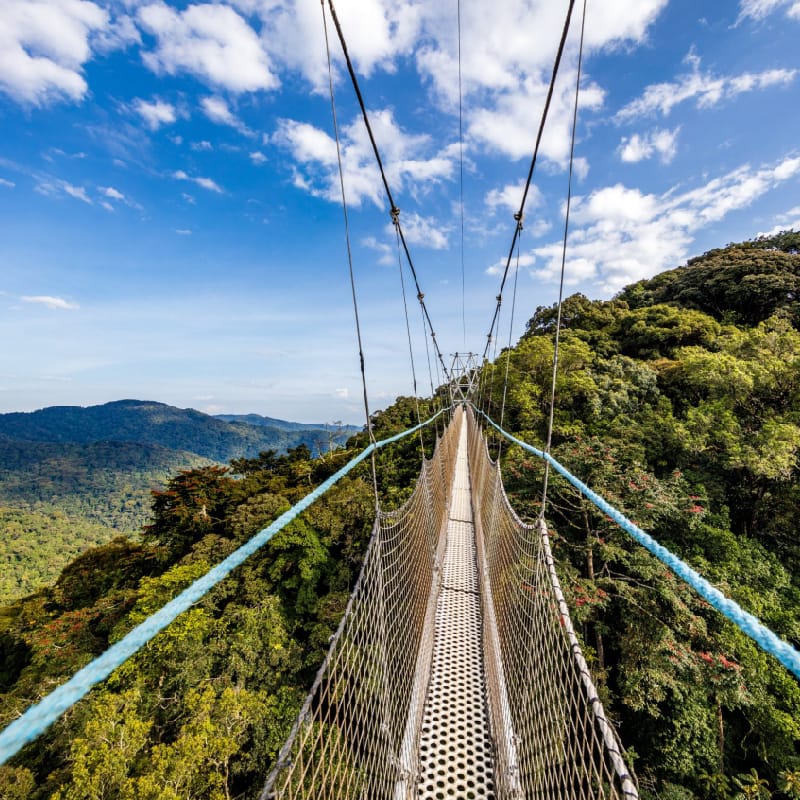
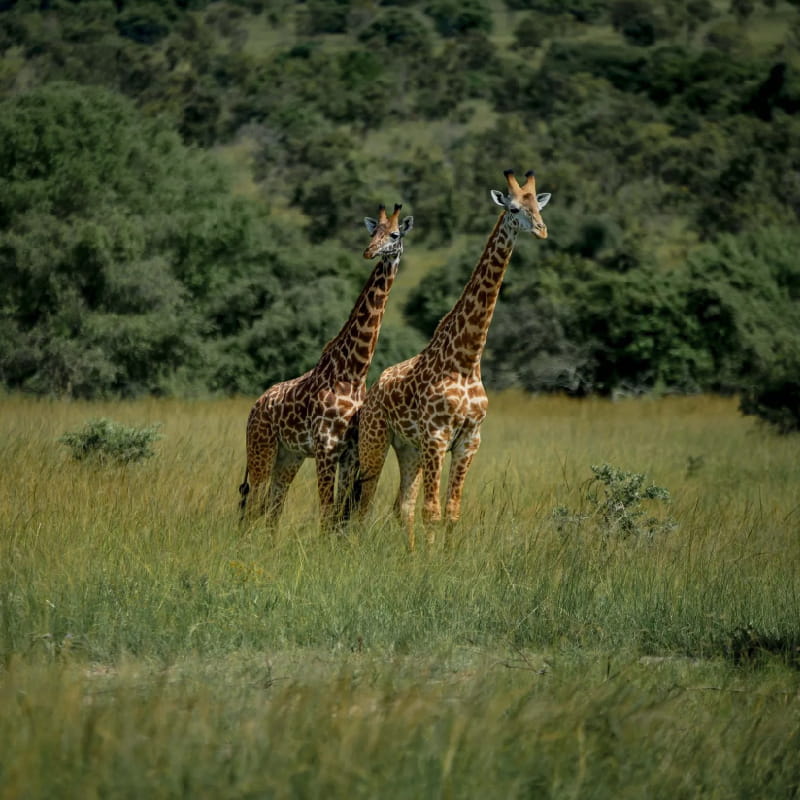
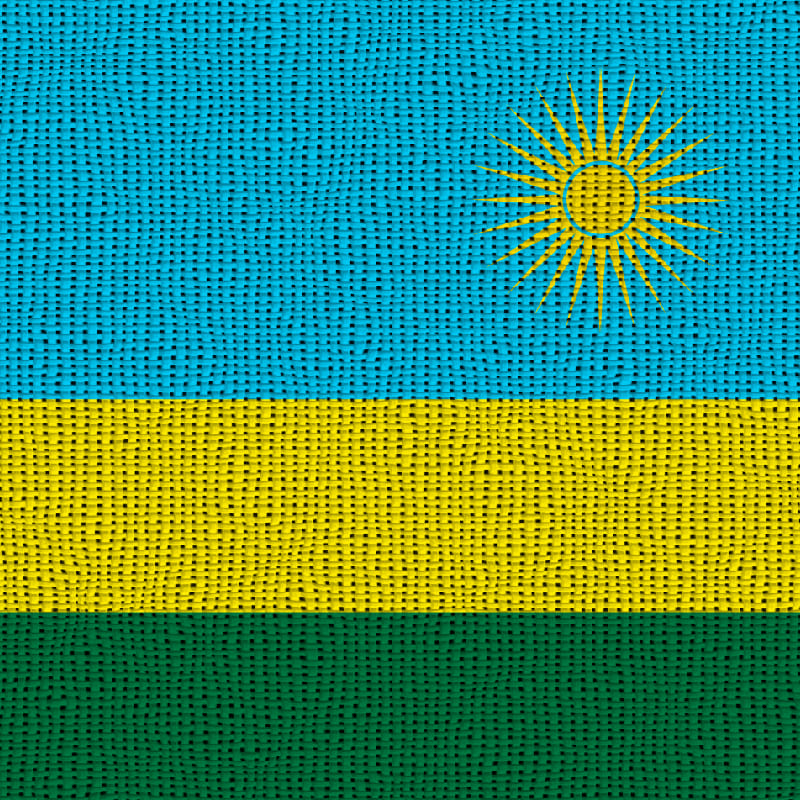
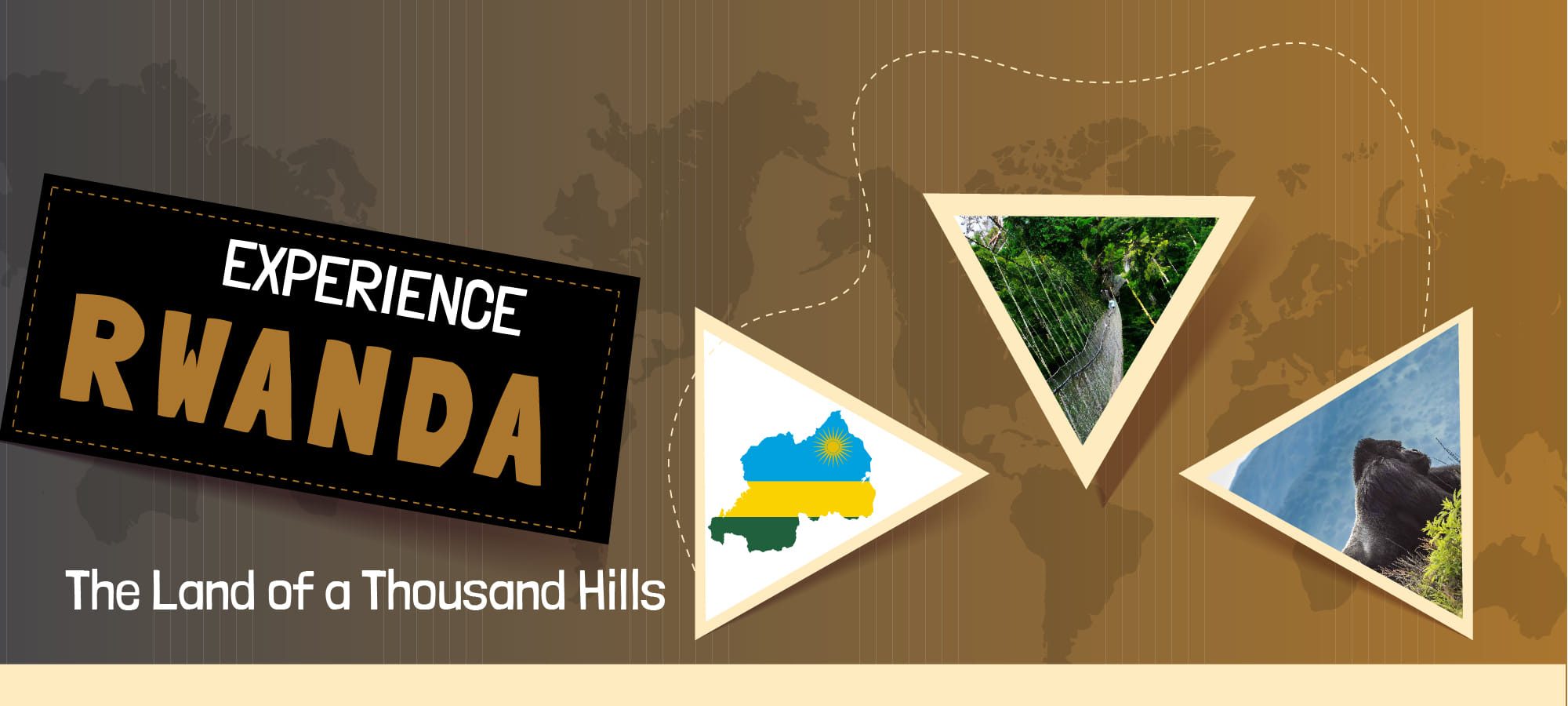
Rwanda, often referred to as the 'Land of a Thousand Hills,' ranks among the smallest nations on the African continent. This landlocked country is situated in East Africa, sharing borders with Burundi, Tanzania, Uganda, and the Democratic Republic of the Congo. It is famous for its stunning scenery, which features verdant hills, a multitude of lakes, and volcanic mountains. The capital, Kigali, is positioned centrally and is well-known for its cleanliness and dynamic culture. Rwanda enjoys a temperate climate, with average daytime temperatures between 25°C and 30°C, making it an attractive destination for visitors throughout the year.
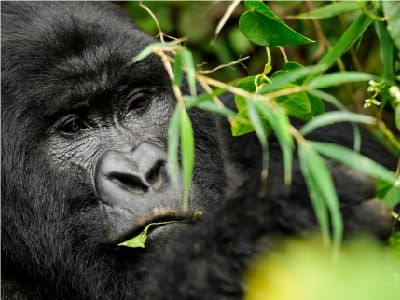
Visitors to Rwanda can immerse themselves in a distinctive combination of stunning landscapes and a vibrant cultural legacy. The nation features three national parks: Akagera National Park, a savannah reserve celebrated for its varied wildlife, including the Big Five; Nyungwe National Park, renowned for its dense rainforests and opportunities for chimpanzee tracking; and Volcanoes National Park, which offers a rare opportunity to observe endangered mountain gorillas in their natural environment. Rwanda has achieved remarkable progress in conservation initiatives, ensuring that gorilla trekking is both sustainable and restricted to a limited number of visitors each day. Furthermore, the country demonstrates a strong dedication to environmental sustainability, as evidenced by its prohibition of plastic bags and community clean-up programs known as Umuganda.
Rwanda's societal advancement is remarkable and commendable. It boasts the highest global representation of women in parliament, with women occupying over 60% of the seats. This dedication to gender equality permeates various sectors, including education and healthcare.
The country has also adopted technology, utilizing digital solutions for public services and fostering economic growth through tourism and agriculture. With a rich history characterized by resilience after the 1994 genocide, Rwanda now serves as a beacon of development and reconciliation in Africa. The population is predominantly young and rural, exhibiting a very high density. Rwandans belong to a single cultural and linguistic group, the Banyarwanda, which consists of three subgroups: the Hutu, Tutsi, and Twa.
Official Name: Republic of Rwanda
Government: Republic
Capital city: Kigali
Population: 12,634,116
Currency: Rwandan Franc (RWF)
GDP: Total; $24,717
Land area: 24,668 sq km,
Geographic coordinates: 9408°S, 29.8739°E
Official Languages: English, French, Kinyarwanda, Swahili
Time Zone: CAT/ UTC +2 (7 hours ahead of Washington, DC, during Standard Time)
Governance and Politics
The legislative body of the country is made up of Parliament, which includes an Upper House known as the Senate and a Lower House called the Chamber of Deputies. The President is elected directly through a simple majority vote for a term of five years. Constitutional amendments ratified in December 2016 included a provision that shortened the presidential term from seven to five years, but also allowed President Kagame to serve an additional seven-year term starting in 2017.
The parliament has more female than male members.
Rwanda is a safe, stable, and secure county to visit. The World Economic Forum ranked Rwanda as the 9th safest country in 2017, ahead of Qatar, Luxembourg, Portugal, New Zealand, Austria, Estonia, Sweden, Slovenia, Spain, Netherlands, and Morocco.
Rwanda is the fifth-largest contributor of peacekeepers worldwide.
Crime levels are relatively low.
Corruption is not tolerated in Rwanda.
Administrative divisions: 4 provinces (Western, Eastern, Northern, Southern) and 1 city (Kigali).
The nation’s public holidays include; 1st Feb Heroes day, 7th April-Genocide memorial day, 1st July- Independence Day, 4th July Liberation day, 15th Aug Assumption, 1st Oct Patriotism day.
Climate: Climate and temperate; the country has two rainy seasons (February to April, November to January), mild in the mountains with frost and snow. The evergreen country enjoys the cool tropical highland climate—ideal for visiting all year round.
Topography: mostly savannah grassland, uplands, and hills; relief are mountainous with altitude declining from west to east. Mean elevation is 1,598 m, with the lowest point being Rusizi River 950m and the highest point Mt. Karisimbi Volcano 4,519 m. It incorporates five of the eight volcanoes. The highest peak being Mt Karisimbi within its borders. The others are Muhabura, Bisoke, Sabyinyo and Gahinga. Rwanda has 28 lakes with the larger ones being Lake Kivu, Muhanzi, lhema, Bulera, Ruhondo and Mugasera. Rwanda’s natural resources are gold, cassiterite (tin ore), wolframite (tungsten ore), methane, hydropower, arable land. There are few natural hazards with periodic droughts. Visoke Volcano (3,711 m), located on the border with the Democratic Republic of the Congo, is the country’s only historically active volcano. Rwanda is predominantly rural, with agriculture accounting for about 63% of export earnings and some mineral and agro-processing. As much as Rwanda is a landlocked country, you can still relax, unwind and enjoy the white sandy beach and weather at Lake Kivu shoreline.
Economy: The 1994 genocide stalled the country’s ability to attract private and external investment. However, Rwanda has made substantial progress in stabilizing and rehabilitating its economy. GDP has improved to a growth rate of 6.2% while inflation has reduced to single digits. In 2015, 39% of the population lived below the poverty line. The government has embraced an expansionary fiscal policy to reduce poverty by improving education, infrastructure, and foreign and domestic investment.
Rwanda consistently ranks well for ease of doing business and transparency. You can start and register a company in 48 hours.
Agriculture products include coffee, tea, pyrethrum, bananas, beans, sorghum, potatoes, and livestock.
In 2012, Rwanda completed the first modern Special Economic Zone (SEZ) in Kigali to attract investment in all sectors, specifically in agribusiness, information and communications, trade and logistics, mining, and construction. The government has also launched an online system to give investors information about public land and its suitability for agricultural development.
Religion Facts: Religion is dominated by Christians; Protestant 50.2%, Roman Catholic 44.3%, Muslim 2%, other 0.9% (includes traditionalist/animist), none 2.5%.
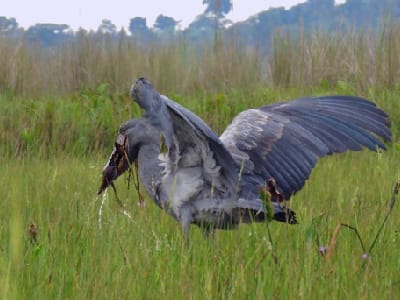
Wildlife Facts: Rwanda is home to mountain gorillas that tourists can safely visit. A Rwanda gorilla permit costs $1,500 per person. The baby gorilla naming ceremony, Kwita Izina, takes place every year on the 1st of September. Akagera National Park hosts all the Big 5, among other wildlife and birdlife. The dense Nyungwe forest is a haven for chimpanzees and a variety of colorful bird and butterfly species.