Essential Travel Advice for Visiting Rwanda
Planning a safari in Rwanda offers a unique blend of adventure, natural beauty, and cultural immersion. Whether you're preparing for an unforgettable gorilla trekking experience in Volcanoes National Park or exploring the lush biodiversity of Nyungwe Forest, being informed is key to a smooth and rewarding journey.
This guide offers essential tips for traveling in Rwanda, covering everything from money matters and safety to what to pack and when to visit. Learn how to navigate currency exchange, tipping etiquette, and local customs, and ensure you're equipped with the right gear for high-altitude hikes. You'll also find vital health and visa information, practical advice for photography and communication, and insight into Rwanda's vibrant history and rich wildlife.
With the right preparation, your Rwandan safari can be an extraordinary, safe, and respectful exploration of one of Africa’s most captivating destinations. Start planning with confidence and discover what makes Rwanda truly the "Land of a Thousand Hills."
Money & Spending
The currency of Rwanda is the Rwandan franc; however, it is recommended to carry US dollars (bills issued after 2003) or euros in cash, since traveller's cheques typically receive unfavorable exchange rates. It is advisable to handle any banking transactions in Kigali, as options are scarce outside the capital, where currency exchange offices generally provide the most favorable rates. Credit cards, especially MasterCard, are accepted at certain high-end hotels and restaurants in Kigali, but their acceptance is limited in other areas.
Tipping
In Rwanda, tipping is generally not a common practice, with the exception of certain upscale restaurants in urban areas where a standard gratuity of 10% is expected. While tipping is appreciated during gorilla treks, it is not mandatory. The amount you choose to tip may vary based on the size of your group and the level of assistance needed. If you employ a porter, they should receive the highest gratuity, followed by guides, trackers, and security personnel. It is advisable to hire a porter, as they can help navigate challenging sections of the hike, provide support, and carry your daypack if you feel fatigued. Ensure you tip your porter generously for exceptional service.
Climate
Average year-round temperatures range from about 12°C (54°F) to 27°C (81°F). The rainy seasons are from March to April and October to mid-December. The best time for gorilla trekking is during the dry seasons from June to September and late December to February.
What To Pack
When preparing for your safari in Rwanda, particularly for gorilla trekking, it is essential to pack long, durable trousers and long-sleeved shirts, along with long socks or gaiters, lightweight gloves, a hat, a raincoat, and robust, comfortable hiking boots (ensure they are broken in prior to your journey). Additionally, include a change of clothing and a warm fleece in your daypack, as well as sunscreen and insect repellent. It is advisable to avoid wearing strong scents, bright colors, black, or blue, as these may attract insects and deter wildlife. Consider bringing extra stationery, toys, or footballs for the local children. Furthermore, it is prudent to consult your physician regarding vaccinations and medications, particularly for altitude and motion sickness.
Visa & Passport Requirements
A passport valid for at least six months is required. Visas are required for most visitors except for citizens of the USA, UK, Canada, Germany, Sweden, Hong Kong, Kenya, and South Africa. Multiple-entry tourist visas can be purchased from Rwandan embassies or consulates and are valid for three months. It is recommended to obtain visas prior to arrival.
Travel Insurance
Adequate travel insurance should be taken out before departure. This should cover medical situations, cancellations, and baggage. When you travel with Frero Adventures, you are covered by emergency evacuation insurance, which guarantees emergency evacuation to the nearest hospital but does not cover treatment costs once in hospital.
Safety
Check with your guide for any potentially unsafe areas to avoid. Avoid deserted areas, especially at night, and dress down to avoid drawing attention. Use concealed travel wallets and avoid taking pictures of anything related to the government or military.
Health
Consult your physician before traveling for advice on precautions against malaria and yellow fever. A Yellow Fever vaccination is required at least 10 days before travel. Bring any special medication with enough supplies to last the visit.
Photography
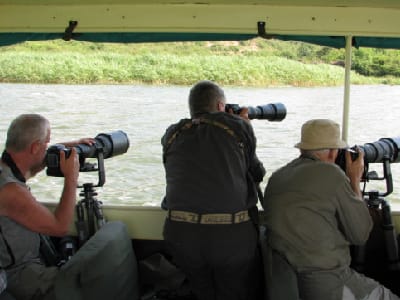
Bring sufficient memory cards and batteries, as these are not readily available in Uganda and Rwanda. Ask for permission before taking photographs of residents. The use of drones is not allowed in any conservation areas until their impact on wildlife and anti-poaching initiatives can be assessed.
About Rwanda
History & EconomyA land of pre-colonial kingdoms and powerful, cattle-owning dynasties, this tiny Central African country escaped the ravages of the slave trade but was subsequently colonised, first by the Germans and then the Belgians. Independence arrived in 1962 but Rwanda’s post-colonial history has been a chequered one. The 1994 genocide was the nadir but since then the country has gone from strength to strength and punches well above its weight in regional affairs. Contributing 40% of GDP and occupying 90% of the workforce, agriculture dominates the economy but it’s mostly subsistence farming with little surplus. Cash crops such as tea and coffee do generate foreign revenue as does mining for rare metals but tourism is the greatest foreign exchange earner.
People & Culture
A green and fertile country, Rwanda has long been settled. With over 11 million people crammed into an area smaller than Belgium, it is one of the most densely populated countries in Africa. Its earliest inhabitants were the pygmoid Twa, hunter-gatherers who were subsequently displaced by migrating Hutu farmers who now make up over 80% of the population. Next to arrive were the cattle-raising Tutsis who dominated traditional power structures until independence. Note that as a consequence of its history, modern Rwanda tends to ignore such ethnic labels. A young population (over 40% is aged under 15) the majority of Rwandans are Catholics with Protestants close behind. The country’s official languages are Kinyarwanda, French and English and Rwanda is generally seen as an easy, safe and friendly country to travel around. Music (particularly drumming) and dance dominate the cultural scene and there is a strong oral tradition ranging from poetry to folk stories.
Landscape & Wildlife
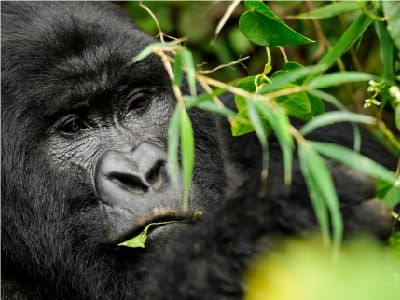
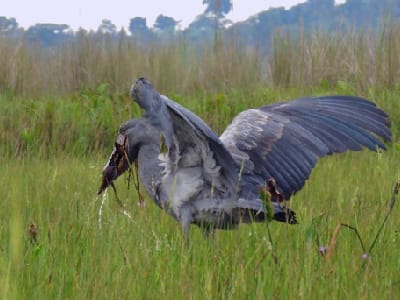
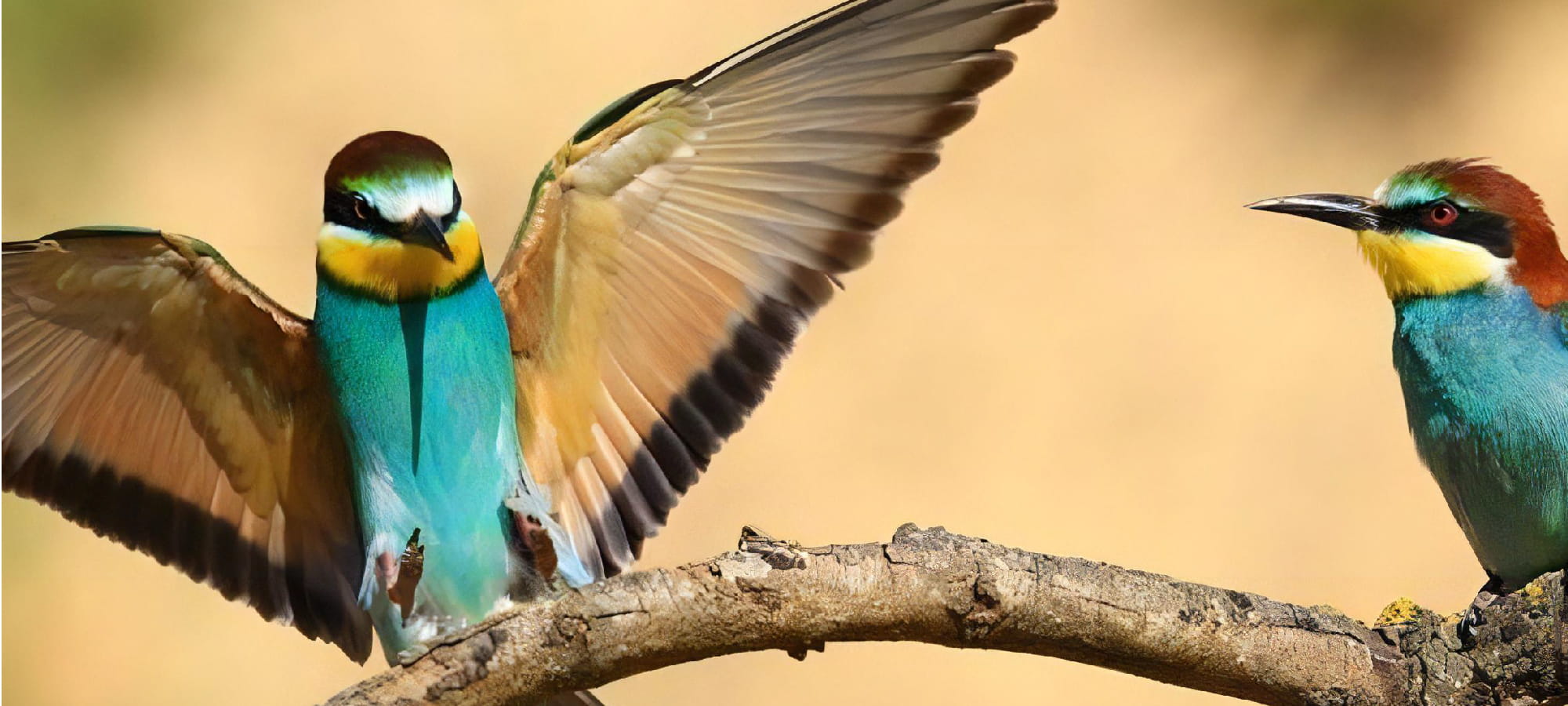
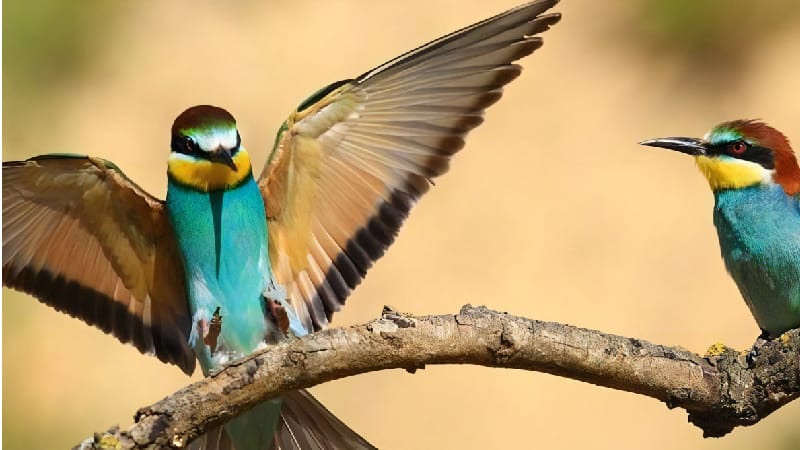
Referred to as the 'Land of a Thousand Hills', Rwanda is a landlocked nation situated in the very center of Africa. Characterized by its volcanoes, densely forested mountain ranges, lakes, and rivers, its location on the Albertine Rift Valley places it within one of the most biodiverse regions globally. However, much of Rwanda's hilly terrain and grasslands have been converted to terraced agriculture, limiting the country's large wildlife to three designated reserves. The most renowned of these is Volcanoes National Park, which shelters half of Africa's remaining mountain gorillas and supports Rwanda's well-known gorilla trekking tourism. Nyungwe Forest serves as a sanctuary for various primates, including chimpanzees, while the lesser-known Akagera National Park, located in the flatter and warmer eastern part of the country, is the only savannah reserve in Rwanda. The country boasts a rich avian population, with approximately 670 bird species documented.
Things Not To Do
Don’t drive at nightWe did it once after losing track of time post-Mount Bisoke hike and never again. Oncoming cars and trucks veered into our lane as if our car didn’t exist and the cyclists and pedestrians on the roadside didn’t seem to realize they’re barely visible at night. It was terrifying.
Don’t speed
We learned this the hard way. We got a 25,000 RWF fine within our first hour on the road. The speed limits change from 80 km/h to 40 to 60 with no rhyme or reason, so keep an eye on the signs. And even when it seems unreasonable to go 40 km/h, abide by the limit or pay the consequences. Speed traps are everywhere. So are children, cyclists, and other pedestrians on the street.
Don’t arrive in Rwanda on umuganda
Umuganda happens on the morning of the last Saturday of every month. All Rwandan citizens aged 18 to 65 are required to participate in community service and everything else closes and grinds to a halt.
Start Planning Your Rwanda Safari
Chat with someone who’s been there. Get in touch with one of our Africa Travel Experts to help tailor-make a trip to Rwanda that’s right for you.