Tanzania Travel Guide: Top Tips for a Smooth Trip
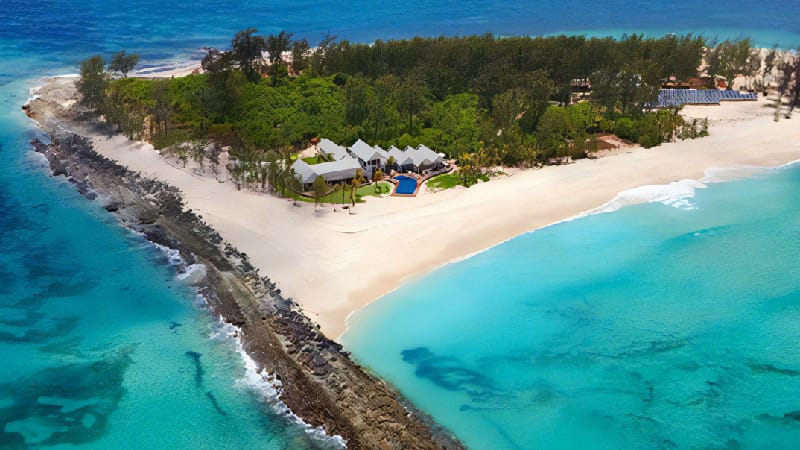
Tanzania is a captivating destination, renowned for its spectacular wildlife, rich culture, and stunning landscapes. From the majestic heights of Mount Kilimanjaro to the unparalleled safari experiences of the Serengeti, Tanzania offers an unforgettable adventure for all types of travelers. Whether you're planning to trek through rainforests, witness the Great Migration, or unwind on the beaches of Zanzibar, careful planning is key to making the most of your trip.
In this guide, we've compiled 23 essential tips to help you navigate your Tanzanian journey, covering everything from visa requirements and the best time to visit to important health precautions and local customs. By preparing ahead, you'll be able to fully immerse yourself in the country's natural beauty and vibrant culture .
Read on for expert advice that will ensure your time in Tanzania is as seamless and memorable as possible.
Visa Requirements for Tanzania
The majority of travelers are required to obtain a visa to enter Tanzania; here is all the essential information you need prior to your visit. Fortunately, the process of acquiring a visa is quite simple. You have the option to apply for an eVisa online prior to your trip, or you can obtain a visa upon arrival at key entry locations such as Dar es Salaam or Kilimanjaro International Airports. Ensure that your passport is valid for a minimum of six months from your date of entry and contains several blank pages. Almost all visitors to Tanzania require a visa. You must contact the relevant issuing authorities in good time (ideally, several months in advance) to ascertain the entry requirements to Tanzania, and to arrange the necessary permits and visas. We strongly encourage all clients entering Tanzania via Kilimanjaro International Airport to obtain their visas online at Tanzania Immigration Department before arriving in Tanzania. E-visas can take 2 to 3 weeks to be issued.Visitors to Tanzania must possess a passport that is valid for six months after the initial date of travel.
Best Time to Visit Tanzania
Tanzania is a destination that can be visited throughout the year; however, the timing of your trip can significantly influence your experience. The optimal time to visit Tanzania varies based on your interests. For wildlife enthusiasts, the dry season from June to October is the best period for safaris, as animals congregate around water sources, making them easier to observe. If your goal is to witness the Great Migration, plan your visit between late June and October. For those aiming to hike Mount Kilimanjaro, the prime climbing seasons are from January to March and from June to October.
Understanding the Climate
The climate of Tanzania differs by region. Coastal regions, including Zanzibar and Dar es Salaam, experience a tropical climate, whereas inland areas such as Arusha and the Serengeti tend to be cooler, particularly during the night. Tanzania experiences two distinct rainy seasons: the long rains from March to May and the short rains from November to December. It is advisable to pack light, breathable clothing for daytime and warmer layers for the cooler evenings.
Currency and Payment Methods
The Tanzanian Shilling (TZS) serves as the official currency of Tanzania; however, U.S. dollars are commonly accepted in hotels, lodges, and by tour operators. For minor transactions and in rural regions, local currency is necessary. While ATMs can be found in major urban centers, it is advisable to have cash on hand when visiting remote locations. Some establishments do accept credit cards, but additional fees may apply.
Health Precautions and Vaccinations
Before visiting Tanzania, it’s important to check the necessary vaccinations. Yellow fever vaccination is required if you’re arriving from a country with risk of yellow fever transmission. Malaria is prevalent in many parts of the country, so consider taking anti-malarial medication and use insect repellent to avoid mosquito bites. Drinking tap water is not recommended, so always drink bottled or filtered water.
Local Language and Communication
While Swahili is the national language of Tanzania, English is widely spoken, especially in tourist areas. Learning a few basic Swahili phrases can enhance your experience and show respect for the local culture. “Jambo” means hello, and “Asante” means thank you—two key phrases that will come in handy.
Safaris and Wildlife Experiences
Tanzania is one of the best safari destinations in the world, home to the Big Five (lion, elephant, buffalo, leopard, and rhino). Whether you’re visiting the Serengeti, Ngorongoro Crater, or Tarangire National Park, safaris are a must-do activity. Choose between guided game drives, walking safaris, or even hot air balloon safaris for a bird’s-eye view of the wildlife.
Climbing Mount Kilimanjaro
For those seeking adventure, ascending Mount Kilimanjaro represents a premier experience on many travelers' bucket lists. As the tallest mountain in Africa, Kilimanjaro reaches an elevation of 5,895 meters and provides multiple paths with differing levels of challenge. It is crucial to prepare for a strenuous journey and to allow adequate time for altitude acclimatization. Engaging a knowledgeable guide is vital for ensuring safety and effective navigation.
National Parks and Conservation Areas
Tanzania is home to several internationally acclaimed national parks and conservation areas. The Serengeti National Park is famous for the Great Migration, whereas Ngorongoro Crater provides stunning vistas and abundant wildlife. Tarangire National Park is distinguished by its sizable elephant herds, and Lake Manyara National Park is notable for its lions that climb trees. Additionally, Selous Game Reserve and the secluded Ruaha National Park offer unique safari experiences away from the usual tourist routes.
Cultural Etiquette and Respecting Local Customs
Tanzanian culture is diverse and rich, with influences from the Maasai, Chaga, Datoga and Hadzabe tribes. It’s important to be respectful of local customs is one of essential things you need to know before visiting Tanzania. Modest clothing recommended, especially in rural areas during visits to religious sites. Always ask permission before taking photos of people, and be mindful of their privacy.
Exploring Zanzibar
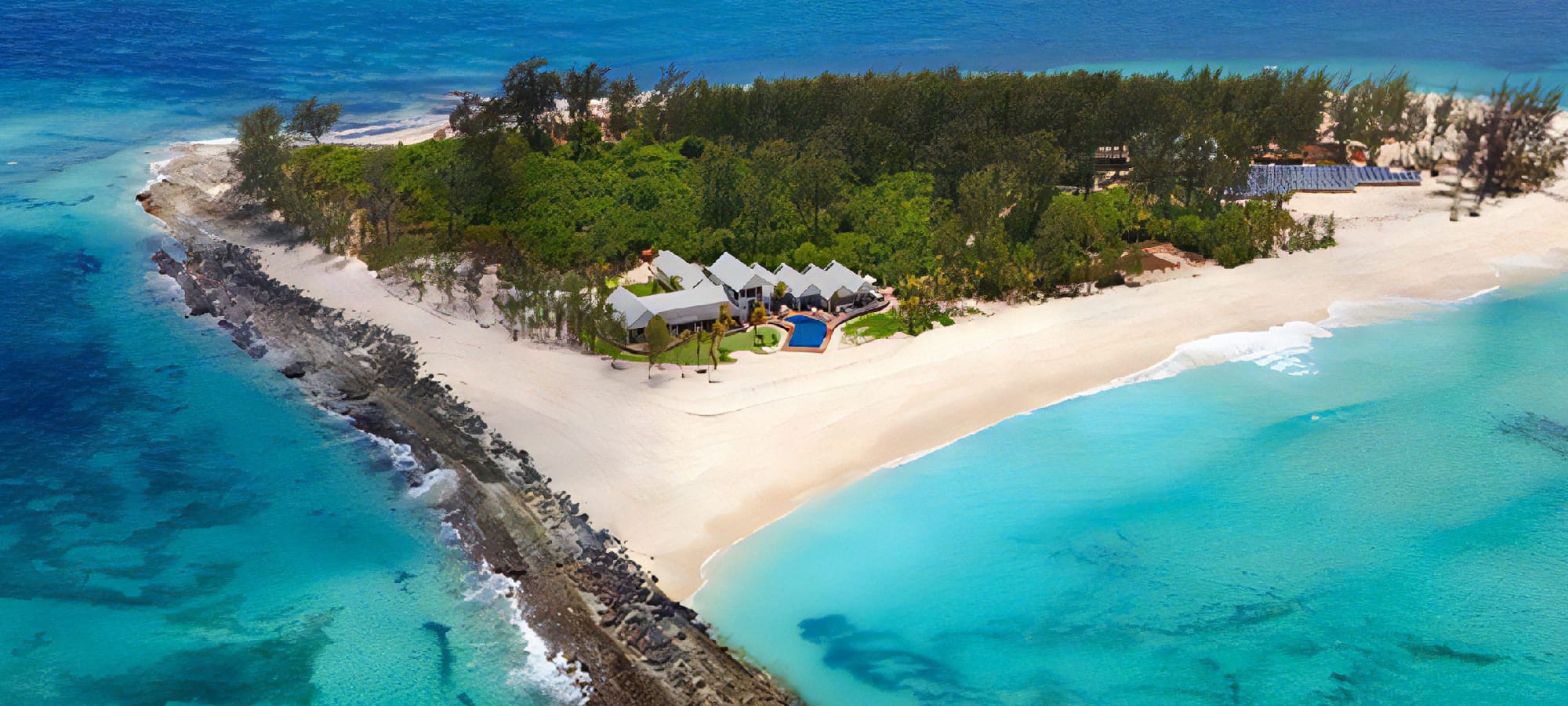
A visit to Tanzania is not truly fulfilled without exploring Zanzibar, a tropical island haven located off the coast. Renowned for its pristine white-sand beaches and azure waters, Zanzibar is also rich in historical significance. Stone Town, recognized as a UNESCO World Heritage Site, provides an intriguing insight into the island's history as a pivotal center for the spice and slave trades. For those seeking relaxation, Nungwi or Paje Beach are ideal destinations to enjoy the tranquility of the Indian Ocean.
Transportation and Getting Around
Getting around Tanzania can be a remarkable experience, with essential insights to consider prior to your visit. Domestic flights offer the quickest means of travel between key locations, whereas buses and private transfers present more economical choices for shorter journeys. In urban areas such as Dar es Salaam and Arusha, taxis and ride-hailing services like Bolt are available. For safari excursions, your tour operator generally provides transportation in 4×4 vehicles designed for challenging landscapes.
Safety and Security
Tanzania is generally a safe country to visit, but as with any destination, it’s important to take basic precautions. Keep your valuables secure, avoid walking alone at night, and be cautious in crowded areas where pickpocketing can occur is what you should know before you visit Tanzania. Travel insurance is essential, especially if you plan to do activities like safaris or climbing Kilimanjaro.
Unique Experiences in Tanzania
Tanzania provides a diverse experience beyond safaris and beaches, including essential information for prospective visitors. For a unique adventure, explore Gombe Stream National Park, where you can observe chimpanzees in their natural habitat. Lake Victoria, the largest lake in Africa, offers excellent opportunities for fishing and boat excursions. To gain cultural insights, engage with the Maasai or Hadzabe tribes and discover their customs and lifestyles.
Sustainable Travel in Tanzania
Sustainable tourism plays a crucial role in safeguarding Tanzania's natural beauty and wildlife. It is essential to select eco-friendly lodging, support local communities, and consider your environmental footprint. Numerous lodges and tour operators are dedicated to conservation and community development, so it is advisable to choose those that emphasize sustainability. Tanzania boasts remarkable diversity, offering breathtaking landscapes, abundant wildlife, and a vibrant culture that together create an unforgettable travel experience. Whether you seek adventure, relaxation, or cultural engagement, Tanzania has something for everyone.
Safari Vehicles
Guided road transfers and game drives in Tanzania are conducted in closed 4x4s with big windows and pop-up roofs, although visitors to destinations like Mahale will enjoy a boat transfer across Lake Tanganyika. Most safari destinations have extensive road networks and closed vehicles are therefore the norm when doing long-distance road transfers between airstrips, camps and lodges in Tanzania. A closed 4×4 game drive vehicle generally has three rows of seating and features a pop-up roof hatch that can be raised for game viewing and taking photographs.
Etiquette
In Tanzania, religious beliefs are deeply rooted, with Christianity and Islam being the predominant faiths. The majority of Muslims reside along the coast and in Zanzibar; therefore, travelers should recognize the conservative character of these areas particularly Stone Town and should dress and act appropriately. Tanzanians are known for their friendliness and harmonious nature; however, it is polite to seek consent before taking photographs of individuals.
What to pack for Your Tanzania Safari
It is advisable to bring lightweight, casual attire in practical, neutral tones, along with a warm jacket for evening game drives, which is suitable year-round. For further details on packing for a safari, please consult our Africa Safari Guide. When traveling to Zanzibar, women should dress modestly in urban areas to honor Muslim cultural norms. T-shirts that cover the shoulders, long skirts, and capri pants are preferable to tank tops and shorts. Swimwear is acceptable on beaches and at resorts.
Tanzania’s Climate and Seasons
| Long Rains | Short Rains | Long Dry | Short Dry | |
|---|---|---|---|---|
| Months | April to May | November to December | June to October | January to March |
| Average Temperatures | 72–81°F 22–27°C |
81–86°F 27–30°C |
70–81°F 21–27°C |
84°F 29°C |
Plan your timing carefully
if you want to see the Wildebeest Migration on your safari or enjoy the best beach weather in Zanzibar, make sure your itinerary matches your travel wishes.
Book early for high season
Tanzania's sought-after safari destinations and well-located camps at Wildebeest Migration hotspots get booked out early, often a year in advance.
Choose your activities
Morning and afternoon game drives are standard safari activities, but excursions like night game drives, guided bush walks and hot-air balloon safaris are only allowed in certain areas or camps.
Expect other visitors in high season
Tanzania's heavyweight national parks like the Serengeti, Ngorongoro Crater, Lake Manyara and Tarangire can attract a lot of visitors from about June to October. Consider visiting during low or Green Season (about November to March) if you want to escape the crowds and still enjoy great game viewing.
Go private
If it's exclusivity you want, then head for one of Tanzania's private reserves. The accommodation is superb, game viewing is as good as the main parks, and extra safari activities (see number 3) are occasionally offered.
Wildebeest have their own clocks
Observing wildlife is a guaranteed experience. However, the logistics may become more complex if you aim to witness a particular event, such as the peak of the wildebeest migration. Camps situated along the migration path typically fill up well in advance, and the wildebeest follow the natural rhythms of the environment and their own biological clocks. To fully enjoy this thrilling experience, it is advisable to begin planning early. Consult with the camps for their recommendations, as their guides will monitor the rainfall and the animals' movements. If the wildebeest do not appear as expected, embrace the Tanzanian philosophy of hakuna matata ('no problem') there is an abundance of other wildlife to observe.The infamous river crossings: Undoubtedly one of the most unique and popular times to visit the Serengeti is during the famous Grumeti and Mara River crossings. This is where streams of wildebeest brave the crocodile-infested waters to press on northwards towards the Masai Mara Reserve in Kenya and the promise of greener pasture.
Wildebeests of Great Migration crossing river. Wildebeests sense the danger and try to cross rivers as quickly as possible.
Book early to see the river crossings: These river crossings typically occur around June to September each year. But camps in good proximity to the river crossings tend to book up quickly. The river crossings also coincide with the peak dry season, so we highly recommend booking at least several months in advance to give your operator the best chance of securing first choice accommodation. This is especially true for large groups.
The calving season: Another notable event in the calendar occurs around late January, February and March in the southern portion of Serengeti National Park. This is the calving season, which sees the miracle of new life collide with an ominous massing of opportunistic predators. Thousands of new wildebeests and other animals are calved every day, and lions and other predators lurk around, waiting for an easy kill. It’s quite the drama!
Money for tips
Safaris and treks can be costly, but the fees you pay shouldn’t be considered as full compensation for the drivers, guides, cooks and porters who will be the ones helping to make your trip memorable. Tipping is a standard part of the experience, and a generous tip for a job well done will be greatly appreciated by those who depend on this income for their livelihood. Your safari or trekking company will be able to provide guidelines.
Tailor your travels
Tanzania is a destination that can be visited throughout the year; however, it is advisable to take the seasons into account. For detailed information, refer to LP’s Tanzania guidebook. Generally, the dry season from June to September is ideal for wildlife observation, hiking, and trekking on Kilimanjaro. Conversely, the wet season from February to May is suitable for birdwatching, offers lower prices, and attracts fewer tourists. It is important to note that although the months of March to May experience significant rainfall, there is still an abundance of sunshine.
Dress respectfully, especially on the coast
Tanzania is a conservative society, especially along the Muslim-majority Swahili coast. As a general guideline, looser-fitting clothes that cover the shoulders and knees are customary. Similarly, try to avoid public displays of affection.
Think like your kids
My primary and perhaps most significant recommendation for family travel is to ensure the children are content. When your children are satisfied, you are likely to be as well. It can sometimes be challenging to view experiences from a child's perspective, but involving them in the planning process and incorporating enjoyable activities during your overnight stays is crucial. Consider including unforgettable experiences beyond the safari, such as interacting with local Masai and participating in tribal crafts. Additionally, accommodations with swimming pools are sure to delight the children! If your children share similar interests to mine, they will likely appreciate a beautiful beach as well. Tanzania serves as an excellent destination for this, offering convenient flight connections to the stunning waters of Zanzibar or Pemba ideal locations to unwind following your adventures on the mainland.
List of The Main Safari Areas of Tanzania
Northern Safari Circuit of Tanzania: We include the Serengeti, Ngorongoro Crater & highlands, the areas around Arusha (Kilimanjaro and Mt Meru), Lake Manyara, and Tarangire in the list of northern circuit safari areas - as do most safari companies.Southern Circuit of Tanzania: Here we refer to the two main southern parks called Ruaha National Park and the Selous Game Reserve. There are also other smaller parks dotted around the southern circuit, but these are often not visited by international guests.
Western Circuit of Tanzania: Two main safari areas are in the west: Katavi National Park and Mahale National Park on Lake Tanganyika. Again, there are other smaller parks, but they are not often visited. For more information on Katavi and Mahale, read our article about Tanzania's wild-west.